
Fiddlewood
Citharexylum spinosum
Description
Growing requirements
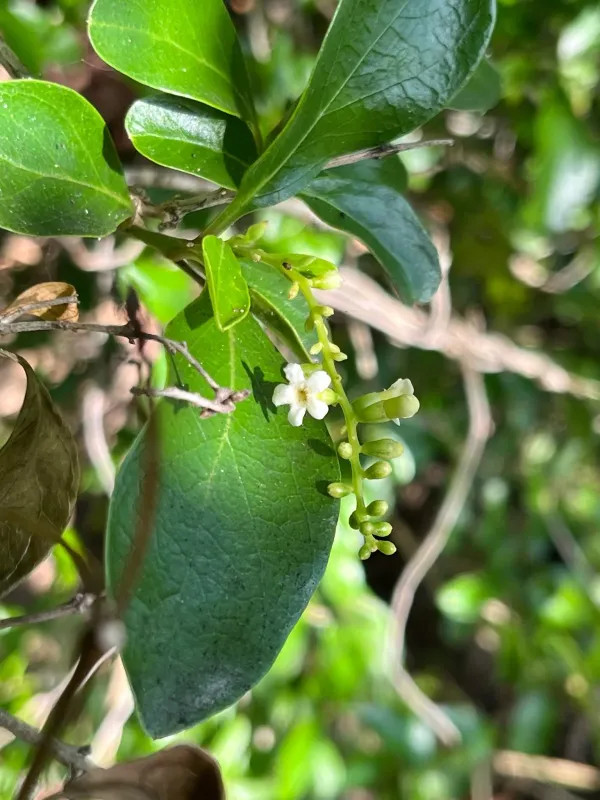
Fiddlewood (Citharexylum spinosum) is a species of flowering plant in the Verbenaceae family, known for its fragrant, nectar-rich flowers. It is an evergreen shrub or small tree that can thrive in various tropical environments.
Native to tropical America, specifically the Caribbean and Northern South America, this species is well-adapted to warm climates. It requires frost-free conditions and is typically grown in regions where temperatures remain high throughout the year.
Cultivation of Fiddlewood is most successful in full sun to partial shade. Exposure to direct sunlight is essential for the tree to maintain a dense, healthy canopy and to produce an abundant show of its characteristic long, pendulous inflorescences.
The plant is versatile regarding soil, provided the site is well-drained. It grows effectively in loamy or sandy soils, which prevent waterlogging and allow the root system to breathe. Consistent, moderate moisture is preferred, but the plant is reasonably drought-tolerant once established.
In landscaping, it is highly valued as an ornamental tree for parks and private gardens. Beyond its visual appeal, it serves an important ecological role as a source of nectar for butterflies and bees, making it a popular choice for pollinator-friendly garden designs.
Main diseases and pests
Fiddlewood can be susceptible to common garden pests, including scale insects and mealybugs. These pests frequently congregate on the underside of leaves and along stems, extracting sap and potentially causing stunted growth if left unmanaged.
Fungal issues, particularly root rot, are common if the plant is grown in heavy, poorly draining soils. Excess moisture around the roots prevents gas exchange and creates an environment where pathogens can rapidly compromise the tree's vascular system.
Effective pest management involves regular monitoring and the use of horticultural oils or insecticidal soaps. Early detection is key, as the dense foliage of the shrub can sometimes hide early-stage infestations from the casual observer.
Pruning is essential for maintaining plant vigor and preventing disease spread. By thinning out crowded branches, gardeners can improve air circulation within the canopy, which significantly reduces the probability of mold or fungal spores establishing themselves.
Proper fertilization and avoiding excessive nitrogen can help prevent secondary issues like aphid colonization, which are often drawn to the soft, succulent growth promoted by over-fertilizing. Maintaining a balanced environment is the best defense against major threats.