
Vernonia baccharoides
Vernonia baccharoides
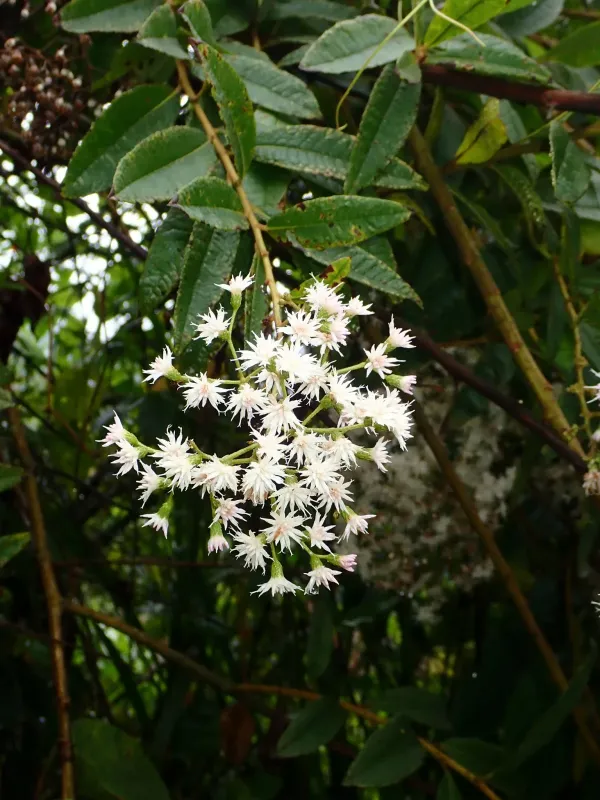
Description
Growing requirements
Vernonia baccharoides is a perennial shrub belonging to the Asteraceae family, valued for its unique phytochemical properties. Originating from tropical environments, it has adapted to diverse landscapes and is currently of scientific interest for its potential as a medicinal crop.
The cultivation of this species requires a warm climate with ample sunlight. It thrives best in regions where temperatures remain consistently above 20 degrees Celsius. Exposure to frost is detrimental and often results in the immediate cessation of growth or plant death.
The soil requirements for this plant focus primarily on drainage. It prefers well-aerated, sandy-loam soils that prevent waterlogging. Ensuring a neutral pH level is critical for the uptake of essential nutrients, particularly during the active vegetative growth phase.
Agronomic management involves periodic pruning to maintain plant vigor and encourage the branching of lateral stems. This practice is essential for maximizing biomass production, which is the primary economic goal when cultivating Vernonia species for pharmaceutical raw materials.
The plant is highly regarded for its diverse biochemical profile, including the presence of sesquiterpene lactones. These compounds are investigated for their therapeutic potential, including anti-inflammatory, antimicrobial, and antioxidant properties in pharmaceutical applications.
Main diseases and pests
Common pathological threats include fungal infections such as powdery mildew, which thrive in high-humidity environments. Effective management requires maintaining adequate plant spacing to facilitate airflow and reducing leaf surface moisture during the evening hours.
Pest issues are typically dominated by sap-sucking insects like aphids and spider mites, which can cause significant damage to the soft tissues of the plant. Integrated pest management strategies are recommended to protect the quality of the harvested medicinal biomass.