
Citharexylum caudatum
Citharexylum caudatum
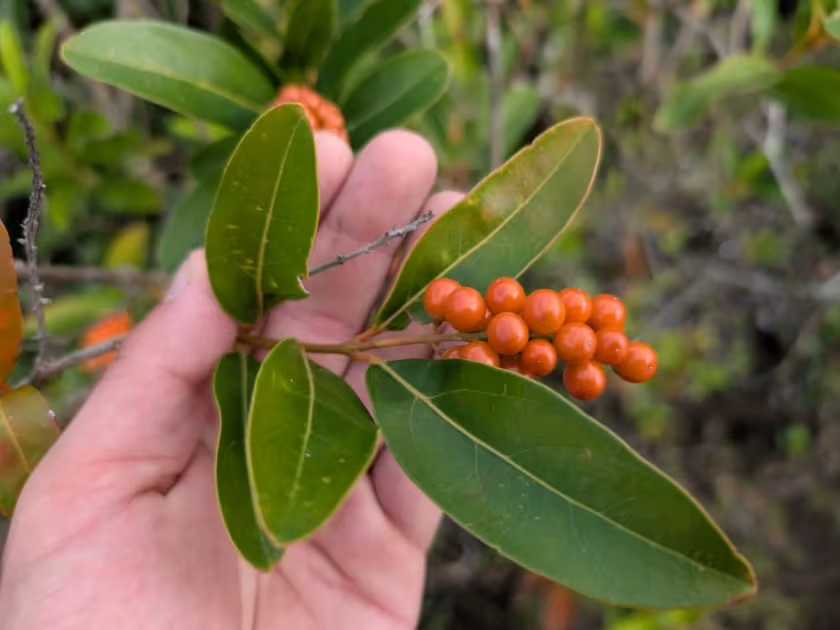
Description
Growing requirements
Citharexylum caudatum, commonly known as fiddlewood, belongs to the Verbenaceae family. It is a robust evergreen tree or shrub recognized for its ecological importance and rapid growth in tropical environments.
Native to the Caribbean, Central, and South America, this species is naturally adapted to forest edges and secondary growth areas. Its ability to colonize disturbed lands makes it a valuable plant for reforestation projects in its native range.
Cultivation requires a tropical climate characterized by consistently high temperatures and significant humidity. While it tolerates various light conditions, full sun to partial shade provides the best development for canopy formation.
Soil requirements focus on well-draining substrates. The plant is adaptable to various soil textures, including limestone-derived soils, but it strictly requires an environment free from prolonged waterlogging to prevent root failure.
Economically, the species is valued for its hard, durable timber used in local joinery and general construction. Furthermore, it serves as an excellent wildlife attractant, as its fruit production supports local bird populations.
Main diseases and pests
Pathogens affecting Citharexylum caudatum are primarily related to fungal infections triggered by excessive moisture. Root rot is a significant concern in areas with inadequate soil drainage, leading to decline or plant death.
Leaf-feeding insects, including caterpillars and aphids, can cause significant cosmetic and physiological damage. These infestations are most prevalent during the rapid growth phases of the tree in humid seasons.
Mealybugs are another common pest that may colonize young stems and leaf junctions, drawing nutrients and stressing the plant. Regular monitoring is essential to prevent outbreaks that could compromise the overall health of the tree.
Fungal leaf spot diseases may occur, particularly in dense, poorly ventilated plantation settings. These infections usually manifest as localized necrotic tissue on the foliage, reducing the photosynthetic capacity of the plant.
Integrated pest management strategies involve maintaining optimal planting density to ensure proper airflow and light penetration. Preventive care, such as the pruning of dead or diseased wood, remains the most effective long-term solution.