
Berlandier's fiddlewood
Citharexylum berlandieri
Description
Growing requirements
Berlandier's fiddlewood, scientifically known as Citharexylum berlandieri, is a noteworthy species within the Verbenaceae family. It is widely recognized as a hardy, multi-stemmed shrub or a small tree that adds significant aesthetic value to xeriscaping projects.
The plant originates from the arid regions of northeastern Mexico and South Texas. This geographical heritage has endowed the species with remarkable heat tolerance and the ability to thrive in environments where water is often scarce for extended periods.
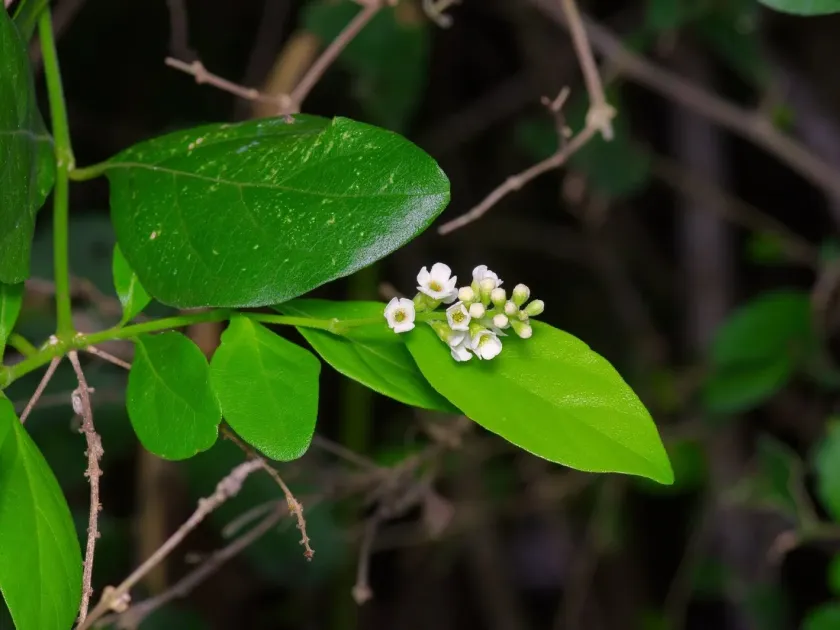
Botanically, it is characterized by its small, fragrant, tubular white flowers that bloom in clusters. The leaves are opposite, often leathery, and dark green, providing a dense foliage cover that is highly prized in landscaping for screening or ornamental purposes.
Successful cultivation requires full sun exposure and soil that provides excellent drainage. While it is tolerant of various soil types, it performs best in well-aerated substrates that prevent moisture accumulation at the root zone during rainy seasons.
Berlandier's fiddlewood is primarily utilized in horticultural settings as an ornamental plant. Due to its fragrant flowers and attraction to butterflies, it serves as a critical component in ecological gardens designed to support local pollinators in warm climates.
Main diseases and pests
The primary threat to the health of Citharexylum berlandieri is root rot induced by waterlogged conditions. Ensuring that the planting site has superior drainage is the most vital step in the preventative maintenance of this species.
Pest pressure is generally low, but aphids and scale insects can occasionally infest the plant, particularly during dry, hot weather. Regular inspection of the undersides of the leaves is recommended to detect early signs of infestation.
Fungal leaf spot diseases can occur if the humidity levels are consistently high and air circulation within the shrub is poor. Pruning techniques that encourage an open structure are recommended to reduce the risk of pathogen colonization.
Cold hardiness is limited; therefore, exposure to prolonged hard frosts can cause severe dieback. In areas nearing the edge of its climatic hardiness zone, providing protection for the root system is advisable.
Nutrient deficiencies, while rare, can manifest as chlorosis in alkaline soils. Applying a balanced fertilizer and ensuring appropriate soil pH management helps the plant maintain its vigor and resistance to secondary opportunistic infections.