
Citharexylum subflavescens
Citharexylum subflavescens
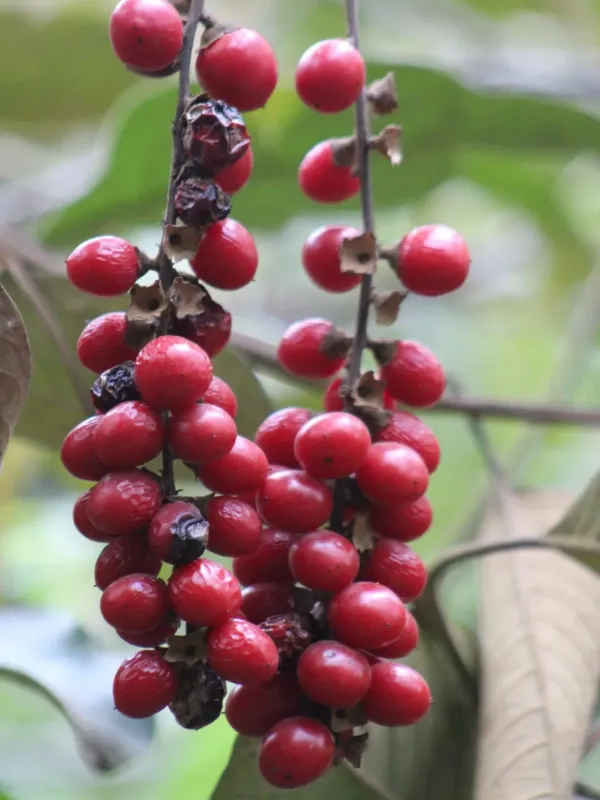
Description
Growing requirements
Citharexylum subflavescens belongs to the Verbenaceae family. It is recognized as an evergreen woody plant that grows as a tree or large shrub, showing high ornamental value throughout the year.
Native to the tropical regions of South America, this species is naturally adapted to warm and humid climates. It thrives best in environments where temperature fluctuations are minimal, supporting its continuous vegetative growth.
The plant demands well-drained, nutrient-rich soils with a slightly acidic to neutral pH level. Proper site preparation is essential to prevent waterlogging, which the root system is highly sensitive to during the establishment phase.
Agrotechnical practices involve regular moisture management, especially during dry seasons. Though it tolerates different levels of light, full sun exposure encourages denser foliage and more vigorous development of its characteristic leaves.
The primary economic and horticultural application of this species is ornamental landscaping. It is widely used for creating green screens, hedges, and architectural garden features due to its ability to be pruned and shaped.
Main diseases and pests
Typical pest threats include scale insects and mealybugs, which can compromise the plant's health in greenhouses or dry environments by sap-feeding on the foliage.
Root rot caused by Phytophthora or similar fungal pathogens is a significant threat if the soil drainage is inadequate. Preventive maintenance, including monitoring soil moisture, is crucial for long-term survival.