
Citharexylum myrianthum
Citharexylum myrianthum
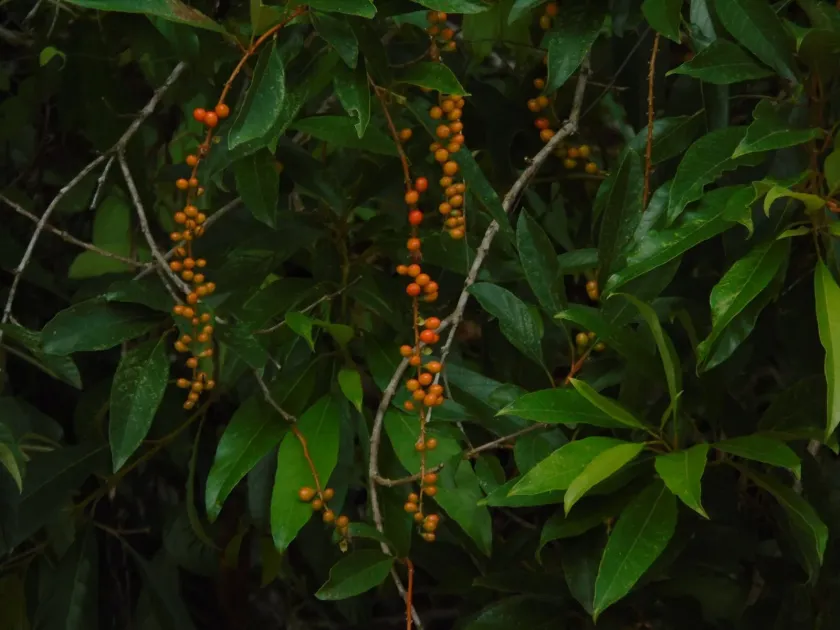
Description
Growing requirements
Citharexylum myrianthum is a robust tree species belonging to the Verbenaceae family. It is well-regarded in tropical forestry for its high growth rate and the ability to produce high-quality timber within relatively short cycles, making it an economically viable crop for warm climates.
Native to South America, the species thrives in humid tropical and subtropical environments. It is naturally adapted to forest edges and rich soil ecosystems, where biological competition for light and nutrients is intense, prompting the tree to grow rapidly upward.
The cultivation requirements focus heavily on soil quality and hydrological management. This tree performs best in deep, fertile, and well-drained soils. While it appreciates high moisture levels, standing water is detrimental to root health and can lead to rapid decline of the stand.
Agrotechnical practices involve maintaining appropriate spacing between trees to ensure adequate air circulation and light penetration. Proper canopy management is essential to prevent the accumulation of moisture that could otherwise lead to fungal outbreaks within the stand.
Its primary uses include the timber industry, where the wood is valued for its durability and aesthetic properties. Furthermore, it plays a vital role in reforestation efforts and soil conservation projects, acting as a windbreak and preventing erosion on vulnerable hilly terrains.
Main diseases and pests
Fungal infections remain the primary biological threat, especially in areas with poor ventilation and high humidity. These pathogens primarily affect the foliage and terminal shoots, potentially hindering the vertical growth of young trees.
Pest management should focus on monitoring for wood-boring insects and leaf-chewing larvae. Integrated pest management strategies, including regular inspections and the preservation of natural predators, are recommended to maintain the productivity of the plantation.