
Citharexylum montevidense
Citharexylum montevidense
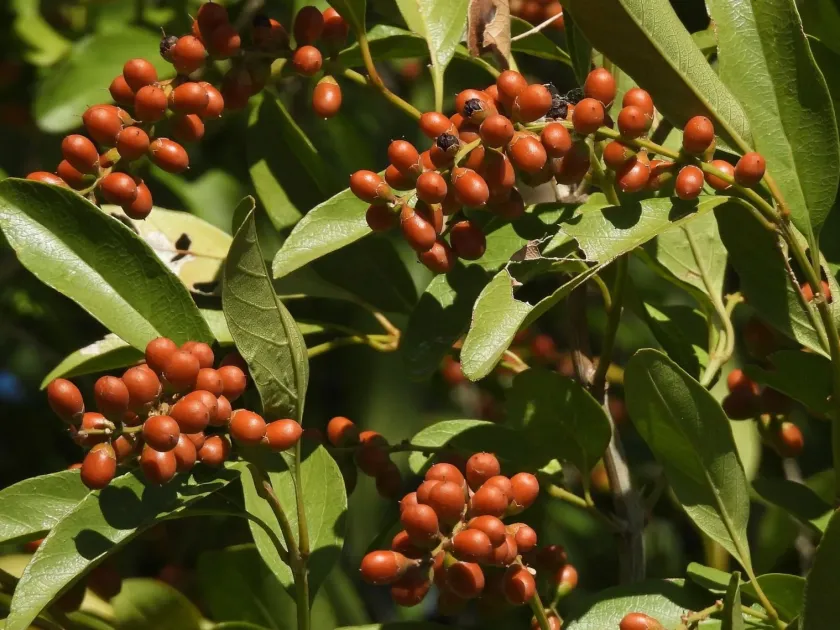
Description
Growing requirements
Citharexylum montevidense is a distinctive member of the Verbenaceae family, native to the subtropical and tropical zones of South America. It is recognized for its elegant growth habit and attractive foliage.
The plant thrives in full sun but benefits from partial shade in extremely hot climates. Soil conditions should be nutrient-rich and possess excellent drainage to prevent root waterlogging, which is detrimental to the species.
Regarding climate, this plant is best suited for regions without severe frost. While it can handle mild cold, protection is necessary in environments where temperatures drop significantly, ensuring the longevity of the shrub.
Botanically, it features opposite, glossy leaves and long, pendulous racemes of fragrant flowers. These inflorescences are not only visually appealing but also serve as a significant source of nectar for local pollinators.
In landscape applications, Citharexylum is highly valued as a specimen plant or a component of mixed border plantings. Its ability to tolerate pruning makes it versatile for hedge formation and topiary projects.
Main diseases and pests
Scale insects and mealybugs are the most common pests affecting this shrub. These pests typically cluster on the undersides of leaves or along stems, requiring systematic monitoring to control infestations effectively.
Fungal pathogens such as leaf spot may occur under high humidity and poor ventilation. Proper spacing between plants is crucial to encourage air circulation and reduce the incidence of these diseases.
Root rot is a major threat in poorly drained soils. Farmers and gardeners should focus on soil preparation and ensuring that the irrigation frequency aligns with the current growth stage and evaporation rate.
Powdery mildew can emerge during periods of fluctuating temperatures and humidity. If outbreaks occur, applying appropriate fungicides or environmental modifications can help manage the spread of the fungus.
Preventative maintenance, including the removal of dead or crossing branches, is essential to keep the plant vigorous and resistant to potential biological threats throughout the growing season.