
Citharexylum reticulatum
Citharexylum reticulatum
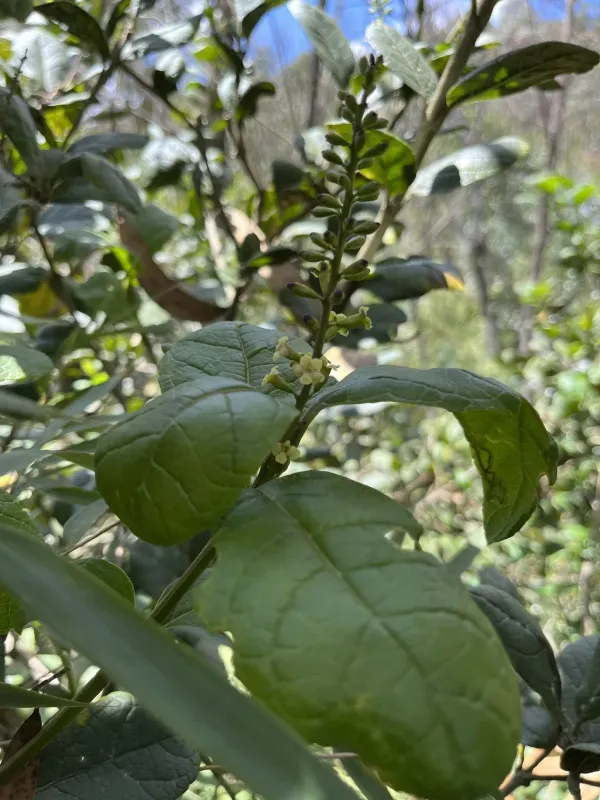
Description
Growing requirements
Citharexylum reticulatum is a distinct species within the Verbenaceae family, recognized for its evergreen foliage and potential for ornamental use. It is native to the diverse ecosystems of the neotropics.
The plant thrives in well-draining, loamy substrates enriched with humus. It is highly sensitive to waterlogging, necessitating excellent drainage systems to maintain root health and prevent asphyxiation.
Climatically, this species requires stable temperatures, avoiding cold drafts and frost. It performs best in high-humidity environments that mimic its natural tropical forest origin.
Light management is crucial, as the plant prefers partial shade or dappled sunlight. Excess exposure to harsh midday sun can lead to leaf scorching and premature foliage loss.
Nutritional maintenance involves seasonal fertilization during the spring and summer months. Balanced fertilizers with micronutrients support consistent growth and flowering potential.
Main diseases and pests
Common pests affecting Citharexylum reticulatum include mealybugs and soft scales, which often colonize the undersides of leaves and stems.
Fungal pathogens such as leaf spot fungi can become problematic during periods of stagnant humidity and poor ventilation within the growing environment.
Root system vulnerability to pathogens increases if soil moisture levels are not strictly managed, often leading to stunted growth or total decline.
Integrated pest management strategies should focus on physical removal of pests followed by targeted application of biological control agents.
Maintaining air circulation around the canopy is the most effective cultural method to prevent the development of widespread fungal infestations.