
Urera elata
Urera elata
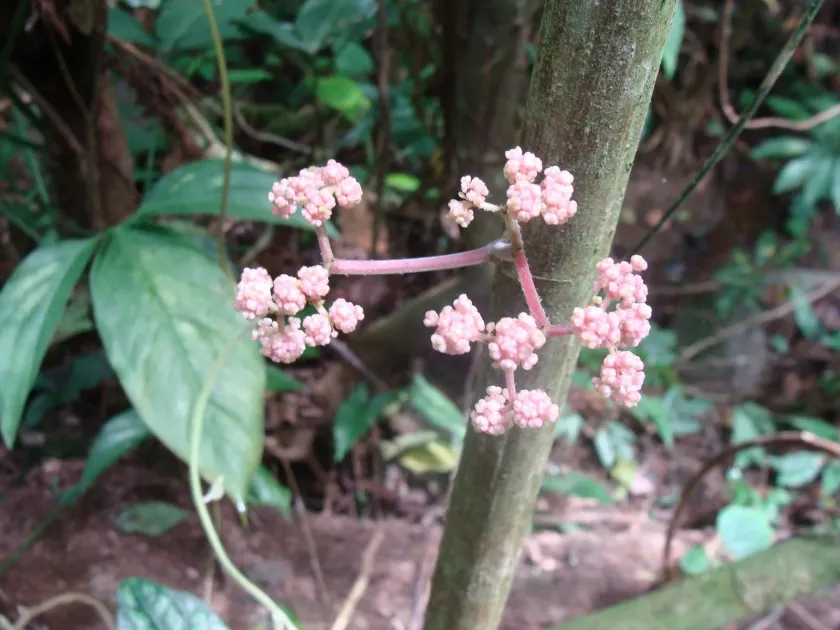
Description
Growing requirements
Urera elata is a prominent member of the Urticaceae family, native to the mountainous tropical regions of Central and South America. It typically grows as a robust woody shrub or a small tree within the forest understory.
The plant thrives in humid tropical climates characterized by consistent temperatures between 20°C and 28°C. It is highly sensitive to frost and extreme cold, requiring a stable environment to prevent stunted growth or plant mortality in agricultural settings.
Regarding soil conditions, Urera elata prefers well-drained, nutrient-rich soils that retain moisture without becoming waterlogged. High organic content and slightly acidic to neutral pH levels are ideal for maintaining the plant's health and structural integrity.
Cultivation practices focus on providing partial shade, as the species is adapted to lower light levels found in forest habitats. In plantations, it is often intercropped with larger tree species that provide a natural canopy, protecting the leaves from direct solar radiation.
The primary economic value of the plant lies in its bast fibers, which are extracted from the stems. These fibers are recognized for their exceptional tensile strength, making them historically significant for local communities in crafting fishing nets, ropes, and artisanal textiles.
Harvesting
Harvesting involves carefully selecting mature stems that have not yet undergone full lignification. The stems are cut and processed through traditional retting methods, which allow for the efficient separation of high-quality fibers from the inner woody pulp.