
Urera caracasana
Urera caracasana
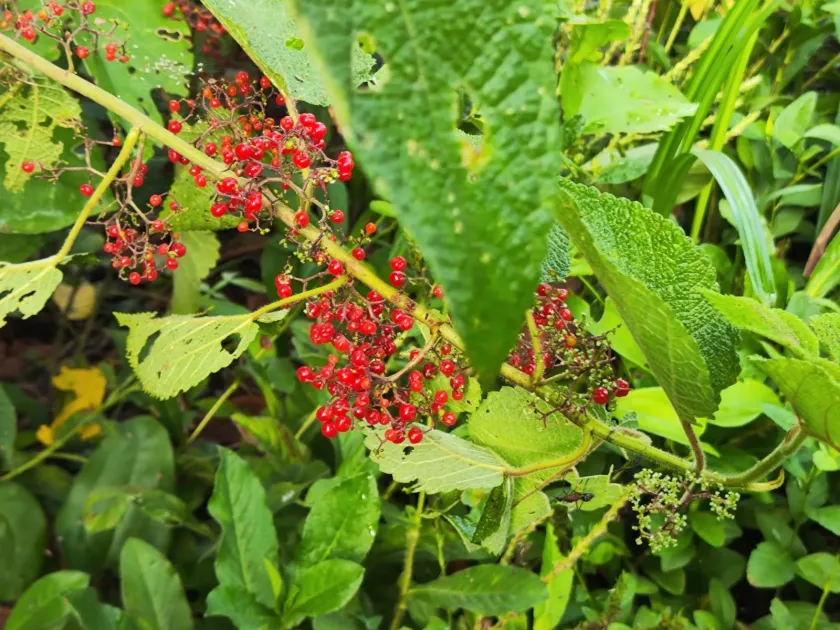
Description
Growing requirements
Urera caracasana is a species of flowering plant in the nettle family, Urticaceae. It typically grows as a large shrub or a small tree, often found in tropical forests and along disturbed roadsides.
Native to the Americas, this species thrives in tropical climates ranging from Mexico to South America. It is a moisture-loving plant that requires stable, warm temperatures throughout the growing season.
For successful cultivation, the plant needs fertile and well-drained soils. Rich, loamy soils that provide consistent nutrients are preferred, although the plant shows adaptability to various soil types in its native range.
The plant requires adequate sunlight but can tolerate partial shade, which is common in its natural understory environment. In managed agricultural settings, light levels should be adjusted to promote biomass production.
General maintenance includes ensuring the plant does not suffer from drought and performing pruning to manage size and density. Due to its stinging hairs, handlers must use protective equipment during all management activities.
Yield
The primary agricultural interest in Urera caracasana lies in its bast fibers. The stems contain high-quality fibers that have been historically used by indigenous communities for rope making and weaving.
These fibers are known for their strength and durability, making them suitable for crafting fishing nets, cordage, and rustic textiles. The extraction process usually involves retting the stems to separate the fiber from the woody tissue.
Beyond fiber, the plant provides biomass that can be used for soil enrichment. After proper treatment to neutralize stinging irritants, the leaves can occasionally serve as a feed supplement for livestock.
Research into the plant's phytochemical composition suggests potential in the pharmaceutical industry. Various parts of the plant contain compounds being investigated for their anti-inflammatory properties.
The rapid growth rate of the species allows for sustainable harvesting cycles in favorable tropical conditions, making it an interesting candidate for localized forest-based economies.
Main diseases and pests
The main pests for Urera caracasana include various Lepidoptera larvae. Some insects have developed resistance to the plant's chemical and mechanical defenses and can cause significant defoliation.
Fungal diseases, such as leaf spot or powdery mildew, can occur in plantations where humidity is extremely high and air circulation is poor, necessitating regular monitoring.
Root rot is a critical threat that develops in waterlogged soil. Ensuring that cultivation sites have excellent drainage is the best preventative measure against this physiological and pathological issue.
Biological pest control is preferred over chemical interventions to maintain the ecological balance of the surrounding tropical environment where the plant is grown.
Regular sanitation, such as removing dead or infected plant material, helps prevent the build-up of pathogen populations and keeps the plantation healthy and productive.