
Urera nitida
Urera nitida
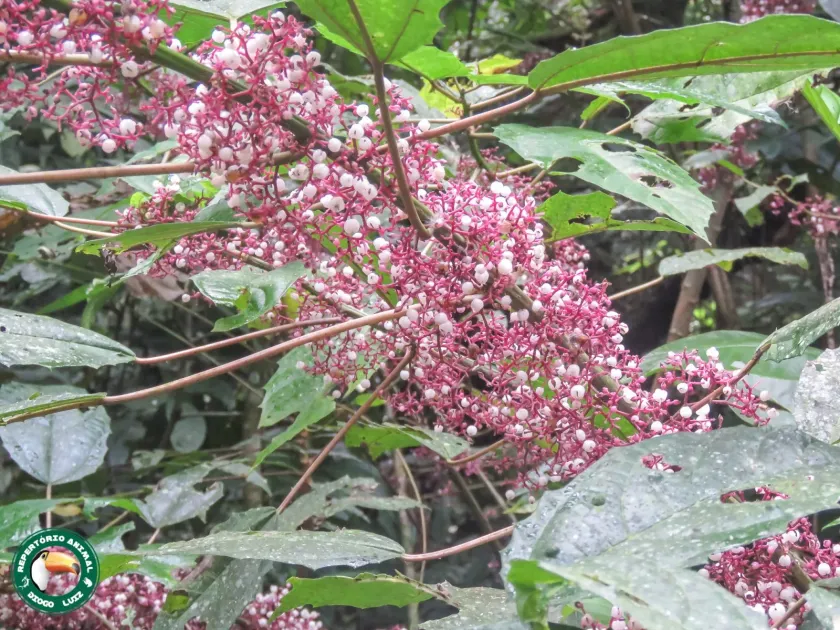
Description
Growing requirements
Urera nitida belongs to the Urticaceae family and is recognized as a perennial tropical shrub or small tree. It is primarily found within the understory of dense, humid rainforests, thriving in areas with high biodiversity.
The native range of the species spans across tropical regions of Central and South America. As an understory plant, it has evolved to grow effectively in nutrient-rich forest soils, often in environments where high levels of rainfall occur consistently throughout the year.
In terms of cultivation, Urera nitida demands a stable, warm climate without extreme temperature fluctuations. The plant requires well-drained soil rich in organic matter to mimic its natural habitat and prevent root stress, alongside protection from harsh, direct sunlight.
Botanically, the species is identified by its glossy, smooth-textured leaves and fibrous stem structure. The growth habit of the plant is vigorous, often developing into a dense shrub layer that competes effectively with other secondary vegetation in the rainforest.
The economic value of this plant has traditionally been linked to its fibers. Indigenous communities have utilized the bark and stem fibers of plants within the Urera genus to produce durable, high-tensile cords and ropes, demonstrating the plant's structural strength.