
Urera hypselodendron
Urera hypselodendron
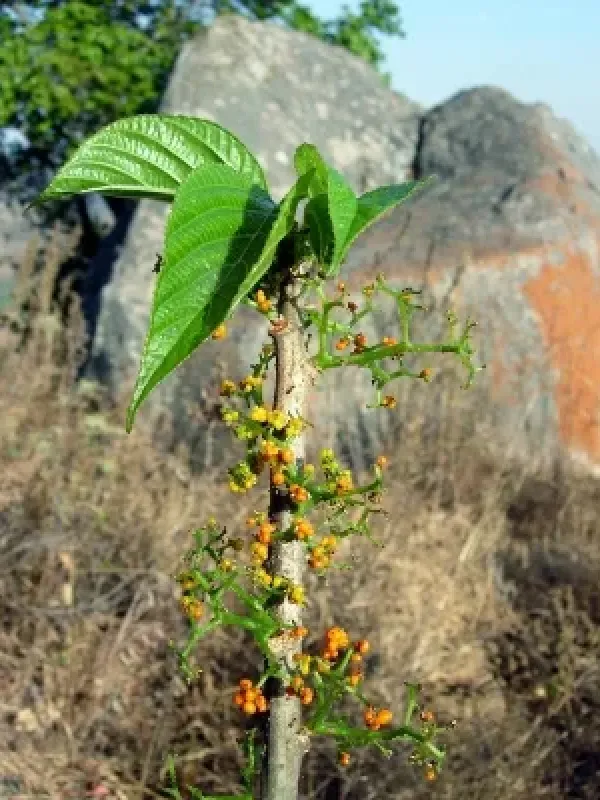
Description
Growing requirements
Urera hypselodendron is a robust member of the Urticaceae family, recognized primarily for its habit as a climbing shrub or tree in African tropical ecosystems. It typically thrives in humid environments, utilizing forest canopies for support as it matures.
The crop requires a strictly tropical climate with consistent temperatures throughout the year. It does not possess any frost tolerance, making the cultivation impossible in temperate zones without strictly controlled greenhouse conditions.
Soil requirements involve a deep, fertile, and well-drained medium. Loamy soils rich in organic matter are ideal, as they provide the necessary nutrient reservoir for rapid stem elongation, which is vital for fiber production.
Water management is critical during the intensive growth phase. The crop demands high moisture levels, requiring consistent irrigation if rainfall is insufficient, but it must be balanced to avoid waterlogging the root system.
Agronomic management includes maintaining adequate spacing to allow for airflow, reducing the risk of fungal pathogens in dense plantations. Regular pruning helps in maintaining the desired growth structure for easier harvesting.
Harvesting
The primary economic focus of Urera hypselodendron is the extraction of its bast fiber, which is known for its durability. Harvesting involves selecting mature stems that have reached the appropriate diameter to ensure fiber quality.
Cutting the stems should be done with sharp tools to ensure clean wounds, promoting rapid recovery of the plant. Since the plant is often perennial, careful harvesting ensures that the rootstock remains productive for future seasons.
Post-harvest processing involves decortication to separate the fibers from the non-fibrous woody parts of the stem. This is usually performed via traditional retting methods or modern mechanical processing to extract high-quality cellulose strands.
The productivity of the crop is directly linked to soil fertility and the frequency of harvest. Strategic rotation and nutrient replenishment are recommended to sustain yields over several years in permanent plots.
Once dried and cleaned, the fiber is processed into sustainable materials, including cordage and specialty fabrics. The plant's natural resistance to specific environmental conditions makes its fiber highly valued for outdoor applications.