
Urera acuminata
Urera acuminata
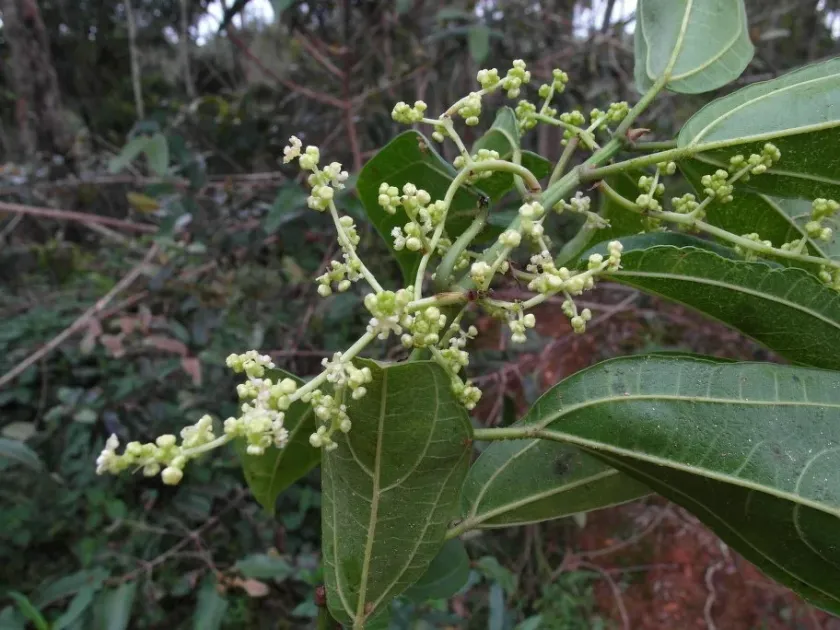
Description
Growing requirements
Urera acuminata is a perennial species belonging to the Urticaceae (nettle) family. Native to the tropical regions of Asia, specifically the Himalayan foothills, it has adapted to thrive in humid, shaded forest environments.
The plant requires a tropical climate characterized by consistently high humidity and warm temperatures. It naturally occupies the understory layer of forests, meaning it prefers filtered sunlight rather than direct exposure to intense solar radiation.
Soil requirements involve well-draining, nutrient-rich substrates, typically found in forest soils with a deep humus layer. Water management is critical, as the roots require constant moisture but are highly susceptible to rot under stagnant conditions.
Botanically, this plant is notable for its stinging hairs and distinctly pointed, serrated leaves. It exhibits vigorous vegetative growth, developing flexible stems that are structurally capable of withstanding the windy conditions of mountain slopes.
Industrially and traditionally, the plant is valued for its bast fibers. These fibers are exceptionally strong and are used in the production of ropes, agricultural cords, and fishing nets due to their durability and resistance to moisture.
Main diseases and pests
Common threats to the crop include root rot and stem decay caused by Pythium and Phytophthora fungi. These pathogens thrive in waterlogged soils, making proper drainage the primary defense in cultivation.
Leaf spot diseases are also prevalent, especially during the monsoon season. High humidity levels combined with poor air circulation within the plantation facilitate the spread of fungal spores across the crop.
Pest pressure is primarily driven by leaf-eating insects and mites that exploit the high nutrient content in the leaves. Integrated pest management strategies are generally recommended to mitigate damage while maintaining crop quality.
Nematode infestations can pose a hidden threat, leading to stunted growth and reduced fiber yield. Crop rotation and the use of organic amendments are key practices to maintain soil health and suppress soil-borne pests.
Early detection of infections is vital for survival. Producers should ensure proper spacing between plants to encourage adequate airflow, which naturally reduces the risk of most moisture-dependent fungal diseases.