
Urera trinervis
Urera trinervis
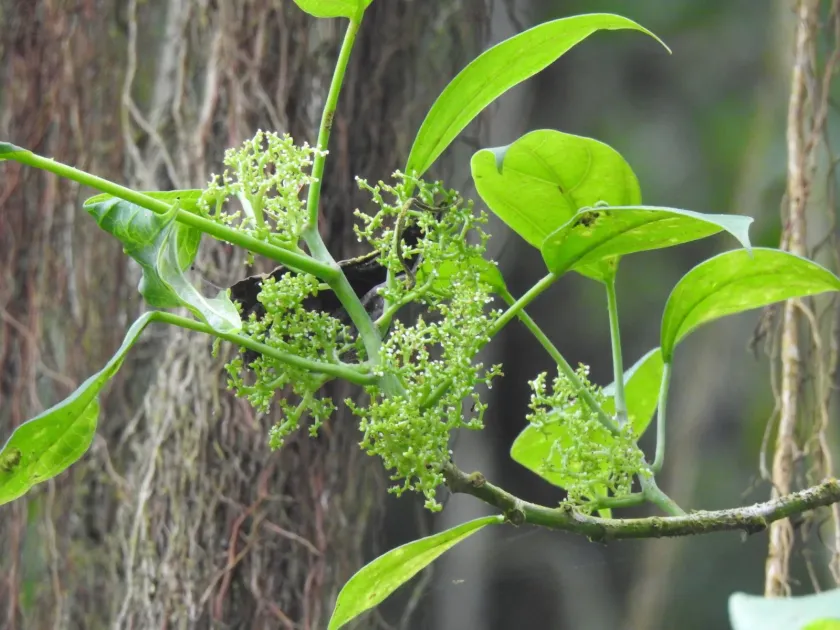
Description
Sowing dates
Urera trinervis is typically propagated through seeds or vegetative division of rhizomes. In tropical climates, the optimal sowing period coincides with the beginning of the rainy season, which provides the necessary soil moisture for successful germination.
For controlled cultivation, seeds should be sown on the surface of a well-draining, nutrient-rich substrate. Since the seeds are small, they require light exposure to trigger germination processes effectively.
Maintaining a temperature range between 22 and 26 degrees Celsius is critical during the initial growth phase. Consistent moisture levels must be monitored, avoiding waterlogging which can lead to seedling decay.
Transplanting seedlings to their final location is best done once they have developed 3–4 true leaves. It is recommended to acclimate them gradually to external conditions to prevent transplant shock.
Adequate spacing between plants is essential to ensure proper air circulation, which helps prevent the development of moisture-related diseases during the early stages of growth.
Growing requirements
As a member of the Urticaceae family, Urera trinervis thrives in warm, humid environments. It naturally prefers semi-shaded areas that mimic the forest canopy where it originates.
The ideal soil is a fertile, loose loam with high organic matter content. A neutral to slightly acidic pH is preferred, providing the nutrients necessary for the rapid development of stems and foliage.
Water requirements are relatively high. The plant is sensitive to prolonged droughts, which can stunt its growth and reduce the quality of the fibers harvested from the stems.
The plant is highly sensitive to cold temperatures and should not be exposed to anything below 15 degrees Celsius. Protection against thermal stress is mandatory in regions with fluctuating temperatures.
Nitrogen-rich fertilization is highly beneficial during the active growth period. This promotes stem elongation, which is the primary factor in determining the yield of usable fibers.
Yield
The yield of Urera trinervis is determined by the quality of the soil and the intensity of care provided. In optimal conditions, the plant can sustain multiple harvests of biomass per year.
The main commercial output is the fiber extracted from the stems. Yield efficiency is closely linked to the harvest timing, with the early flowering stage often considered the peak for quality and fiber quantity.
The plant exhibits strong regenerative capacity. After harvesting, proper management of the remaining root system ensures rapid regrowth, allowing for consecutive productive cycles without the need for replanting.
Shade management is crucial for maintaining the flexibility of the fibers. Excessive sun exposure can make the fibers brittle, significantly reducing their value in textile applications.
Consistent agricultural practices, including weeding and soil aeration, contribute to maximizing biomass output over the lifespan of the plantation.
Main diseases and pests
Common pests include aphids and spider mites, which typically attack the plant during dry periods. Early detection and natural management strategies are preferred to maintain the integrity of the harvest.
Fungal diseases, particularly powdery mildew and root rot, pose a significant threat, especially in conditions of poor air circulation or over-saturation of the soil.
Leaf-eating insects can cause damage that interferes with the plant’s photosynthesis, thereby slowing down the growth rate and reducing fiber potential.
Root rot is often the most destructive issue, usually resulting from improper drainage. Preventive measures, such as adjusting the soil structure, are more effective than curative treatments.
Sanitation of harvesting tools is vital to prevent the spread of bacteria or viruses between different sections of the plantation.
Harvesting
Harvesting is performed by cutting the stems at a height of 10–15 centimeters above the ground. This practice allows the plant to resprout effectively from the existing root system.
The optimal time for harvest is at the beginning of the flowering stage, as the fibers at this point demonstrate the best balance of strength and flexibility for processing.
Post-harvest processing involves stripping the leaves and soaking the stems to facilitate the separation of the fibrous cortex from the woody inner parts.
Drying the extracted fibers should occur in shaded, well-ventilated areas to prevent brittleness caused by intense UV exposure or rapid moisture loss.
Proper storage in dry, climate-controlled environments is necessary to maintain the physical properties of the fibers until they are ready for commercial use.