
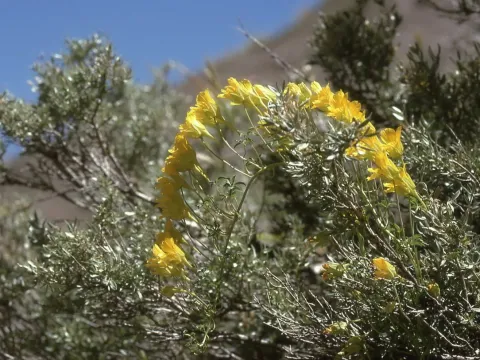
Tropaeolum gracile
Tropaeolum gracile
Tropaeolum gracile is a distinct species within the Tropaeolaceae family, originating from the mountainous regions of South America. This annual herb is well-regarded for its climbing habit and delicate foliage, making it a valuable addition to both ornamental gardens and controlled ecological landscapes.
What the section contains
Tropaeolum gracile
The sowing process for this crop must be carefully timed to avoid cold temperatures, as the species is highly sensitive to frost. Seeds are typically sown directly into the soil in late spring once the ground has thoroughly warmed, ensuring a minimum temperature of 15 degrees Celsius.
Pre-soaking the seeds in warm water for approximately 24 hours is a highly recommended practice to break dormancy. This step significantly improves germination rates and encourages uniform emergence, which is crucial for establishing a successful stand in the field or garden bed.
Seed depth should be kept between 2 and 3 centimeters. Over-deepening can lead to poor emergence, while shallow sowing may expose the seeds to drying winds or accidental removal by birds. Providing consistent moisture during the germination phase is essential for optimal results.
When starting seedlings indoors for early season performance, it is vital to use biodegradable peat pots. Tropaeolum gracile possesses a delicate taproot system that is extremely susceptible to transplant shock; therefore, minimizing root disturbance during planting is mandatory.
This crop thrives in locations with full to partial sunlight. While it can survive in shaded environments, intense light exposure is necessary to maintain the plant's structural integrity and promote vigorous flowering throughout the growing season.
Soil requirements for Tropaeolum gracile center on excellent drainage. The species prefers sandy or loamy, well-draining soils that prevent water stagnation. Excessive organic matter or heavy nitrogen application should be avoided, as it encourages excessive vegetative growth at the expense of floral display.
Watering should be managed as a moderate practice. Overwatering creates conditions conducive to root rot and other moisture-related diseases. Allow the surface of the soil to dry slightly between watering cycles to ensure adequate aeration around the root zone.
In terms of maintenance, regular weeding is necessary during the early stages of development. The plant is not particularly competitive against aggressive weeds, and early intervention ensures that the crop receives sufficient nutrients and light without resource competition.
Fertilization should be handled with caution. A balanced fertilizer applied sparingly during the pre-blooming phase is sufficient. Avoiding high-nitrogen formulations is key to keeping the plant within its desired aesthetic and physiological parameters.
The primary utility of Tropaeolum gracile lies in its ornamental and ecological applications. It is widely used as an effective climber for vertical gardening, trellises, and hanging baskets, providing high aesthetic value due to its elegant growth habit.
Beyond its ornamental appeal, the species acts as a biological deterrent in companion planting setups. Its specific volatile compounds make it an effective tool for repelling various garden pests, thus protecting nearby vegetable crops and reducing the need for chemical intervention.
The flowering period is characterized by longevity and high frequency. By deadheading spent blossoms, growers can encourage the plant to continue producing new buds, thereby extending the ornamental peak well into the late summer and early autumn months.
For those looking to harvest seeds for subsequent seasons, it is important to wait until the seed pods have fully matured and transitioned to a light brown color. Proper drying in a cool, ventilated area is necessary before long-term storage in an airtight container.
The crop is also notable for its rapid ground-covering ability. When planted in sufficient density, it can act as a living mulch, which helps suppress weeds and maintains soil moisture levels by reducing evaporation from the soil surface.
Common threats to Tropaeolum gracile include infestations of aphids and spider mites. These pests typically congregate on the undersides of leaves and on developing shoots, causing visible chlorosis, leaf curling, and overall reduction in plant vigor.
Pathogenic challenges include bacterial leaf spots and various root rot fungi. These issues are frequently triggered by poor air circulation and excessive moisture, both in the soil and on the foliage surface, particularly in humid or crowded environments.
Integrated pest management (IPM) is the best approach to control these threats. This includes monitoring for early signs of infection, utilizing horticultural soaps for minor infestations, and applying systemic insecticides only when necessary, following label guidelines.
To prevent disease, it is essential to maintain proper spacing between individual plants. This ensures better airflow and allows foliage to dry quickly after rain or irrigation, which is the most effective defense against many fungal pathogens.
In the event of severe viral symptoms, such as mosaics or severe stunted growth, the affected plants should be promptly rogued and destroyed. There is no cure for systemic viral infections, and removal is necessary to prevent further transmission within the planting area.