
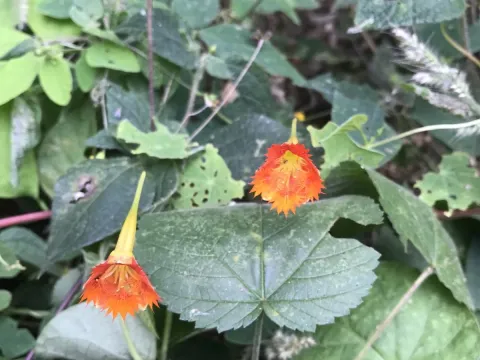
Tropaeolum ferreyrae
Tropaeolum ferreyrae
Tropaeolum ferreyrae is an herbaceous perennial species belonging to the Tropaeolaceae family. Native to the high-altitude regions of Peru, this plant is well-adapted to the unique environmental conditions of the Andes, where it thrives in high mountain ecosystems.
What the section contains
Tropaeolum ferreyrae
The cultivation of this plant requires specific soil conditions, prioritizing well-drained and loose substrates to ensure adequate oxygenation of the root system. It is vital to prevent waterlogging, as the plant is highly susceptible to root decay when exposed to excessive soil moisture.
Climatic requirements involve moderate temperatures, as the species is sensitive to extreme heat. In cultivation, it prefers cool conditions with sufficient light, making it suitable for protected areas or regions with mild summer temperatures where it can flourish without thermal stress.
Agronomic practices focus on maintaining consistent soil moisture and providing occasional organic fertilization during the active growing season. Due to its growth habit, careful spacing is necessary to ensure proper air circulation and to support its delicate stems if they grow in a climbing fashion.
Economically, Tropaeolum ferreyrae is primarily valued as an ornamental and botanical specimen. It is sought after by specialized gardeners and research institutions interested in the preservation of Andean flora and the cultivation of rare, aesthetically unique plant species.
The main pests affecting the health of Tropaeolum ferreyrae include aphids and spider mites, which can proliferate quickly in dry environments. Regular monitoring of the foliage is recommended to detect any infestations at an early stage and apply appropriate treatments.
Regarding diseases, the plant is susceptible to powdery mildew and root rot caused by poor soil drainage or high humidity. Maintaining proper airflow around the foliage and ensuring the growing medium is well-aerated are the primary methods for preventing these common horticultural issues.