

Reference · Crops
Nasturtium
Tropaeolum L.
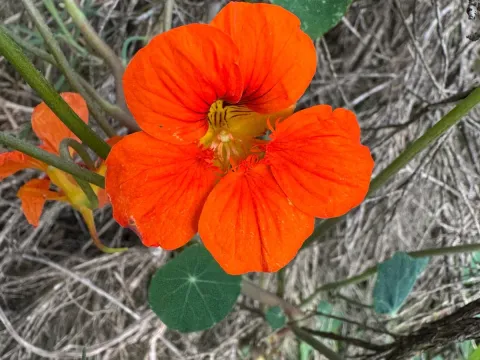
Nasturtium (Tropaeolum L.) belongs to the Tropaeolaceae family. It is a frost-tender annual that should be sown outdoors only after all risks of frost have passed.
7
items
What the section contains
 Canary creeper
Tropaeolum peregrinum L.
Canary creeper
Tropaeolum peregrinum L.
 Chilean nasturtium
Tropaeolum tricolor Sweet
Chilean nasturtium
Tropaeolum tricolor Sweet
 Dwarf Nasturtium
Tropaeolum minus L.
Dwarf Nasturtium
Tropaeolum minus L.
 Flame Flower
Tropaeolum speciosum Poepp. & Endl.
Flame Flower
Tropaeolum speciosum Poepp. & Endl.
 Mashua
Tropaeolum tuberosum Ruiz & Pav.
Mashua
Tropaeolum tuberosum Ruiz & Pav.
 Tropaeolum majus
 L.
Tropaeolum majus
Tropaeolum majus L.
 Tropaeolum peltophorum
 Benth.
Tropaeolum peltophorum
Tropaeolum peltophorum Benth.
Marketplace
Products in this section · 3


Nasturtium
For early bloomers in colder climates, seeds are started indoors in peat pots 3–4 weeks before the last frost, as the plants are sensitive to root disturbance during transplanting.
Seeds should be planted about 1.5 to 2 centimeters deep. Given sufficient warmth around 20 degrees Celsius, germination typically occurs within 10 to 14 days.
Spacing depends on the variety: bushy types require about 20–25 centimeters of space, while trailing or climbing varieties need up to 50 centimeters to flourish.
Choose a sunny location for planting. While they can tolerate partial shade, full sun is essential for promoting dense foliage and a profusion of vibrant blooms.
Nasturtiums thrive in relatively poor, well-draining soil. Rich, fertile soil often leads to lush leaf growth but inhibits the production of flowers.
Watering should be moderate. While they possess some drought tolerance, regular moisture is necessary during the initial establishment phase and peak heat periods.
The plant is highly sensitive to cold; even light frosts will kill the vegetation. Therefore, it is strictly managed as an annual crop in temperate regions.
Avoid excessive nitrogen fertilizers, as they shift the plant's metabolism toward vegetative growth rather than reproductive development.
Regular maintenance involves light weeding until the plants cover the soil surface, acting as a living mulch that suppresses weed competition effectively.
Nasturtiums are often used as trap crops because they attract aphids away from other vegetables, making them an excellent companion in organic gardening.
Bacterial leaf spot is a common issue in humid conditions, which can cause premature leaf senescence if the air circulation is inadequate.
Aphids are the primary pest; however, they can usually be managed with insecticidal soaps or by encouraging beneficial insects like ladybugs.
Rust fungus may appear on the foliage. Proper spacing and avoiding overhead watering in the evenings are crucial preventive measures against fungal pathogens.
Viral infections can cause leaf mosaic and stunting. Infected plants should be removed promptly to prevent the spread of the virus to healthy plants.
Edible parts include leaves and flowers, which are harvested during the active growing season for use in salads and culinary garnishes for their peppery flavor.
Unripe seed pods are harvested before they harden. They are often pickled to serve as a high-quality, flavorful alternative to expensive capers.
For seed saving, collect the pods once they mature and turn light brown. Store them in a cool, dry place to maintain viability for up to three years.
Medicinal and cosmetic use involves extracting compounds with antiseptic properties. The plant is historically recognized for its high vitamin C and antioxidant content.
In landscaping, harvest or trim the trailing vines to maintain shape and promote new growth throughout the season until the first autumn frost kills the plant.