
Blue Nasturtium
Tropaeolum azureum
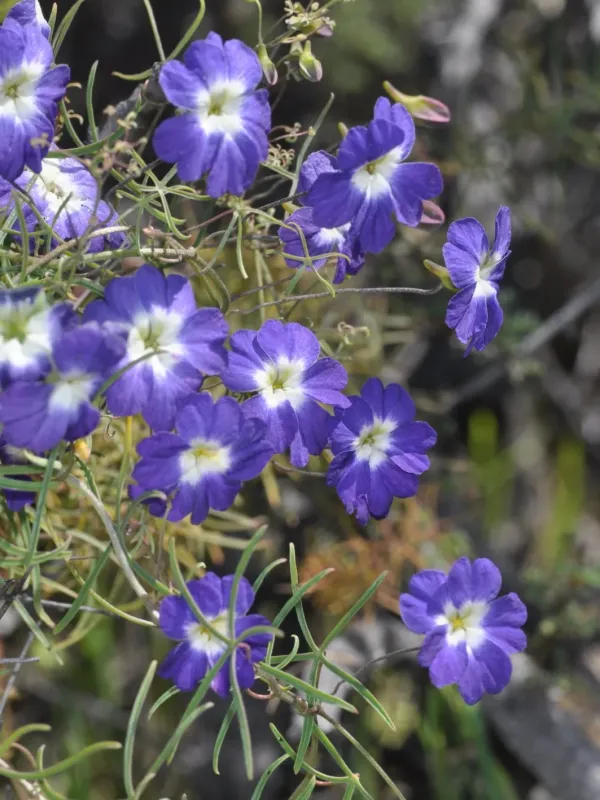
Description
Sowing dates
Sowing Blue Nasturtium seeds is best performed in the autumn or early spring, as the seeds require a period of cold stratification to break dormancy. This process mimics the natural high-altitude environment of Chile, ensuring a more uniform and vigorous germination of the plants.
To improve germination rates, professional growers often scarify the hard seed coat, which allows moisture to penetrate more effectively. The seeds should be planted in a well-draining, sterile potting mix at a depth of approximately 1 centimeter, maintaining light moisture levels throughout.
For optimal results, use individual pots to prevent root disturbance, as these plants possess delicate root systems. Keep the pots in a cool, bright location with temperatures consistently between 10 and 15 degrees Celsius to encourage healthy primary root development.
Patience is essential during the germination phase, as the process can be slow and sporadic depending on the environmental conditions. It is crucial to monitor the humidity of the substrate constantly to ensure the seeds do not dehydrate before sprouting occurs.
Once the seedlings have produced two sets of true leaves, they should be carefully moved to larger containers. Adequate airflow and sufficient indirect light are vital to ensure that the young plants develop strong, sturdy stems rather than becoming leggy and weak.
Growing requirements
Blue Nasturtium is a tuberous climber that thrives in cool, well-ventilated environments. Unlike common nasturtium varieties, it is highly sensitive to extreme heat and high humidity, which can lead to premature dormancy or death of the plant during the mid-summer peak.
The ideal growing medium is a loose, sandy, and nutrient-balanced substrate that mimics the rocky soils of its native habitat. Excellent drainage is non-negotiable, as stagnant water is the primary cause of tuber rot in these rare ornamental plants.
Watering practices must be disciplined: the soil should be kept lightly moist while the plant is in active growth, but it must be allowed to dry out significantly after flowering. This cycle allows the tuber to enter its natural dormancy period, which is necessary for future blooming.
This species requires bright, filtered light to maintain its characteristic color and healthy foliage density. Harsh afternoon sun can scorch the delicate leaves and flower petals, so a position with morning light and afternoon shade is usually the best choice for container gardening.
Air circulation is critical to prevent the buildup of heat and moisture around the foliage. If growing in a greenhouse or indoor setting, ensure that there is a constant movement of air, which will discourage the development of fungal issues that often plague this species.
Main diseases and pests
Root rot and tuber decay are the most significant threats to the long-term health of Blue Nasturtium. These issues are almost exclusively caused by overwatering or poor drainage systems that keep the root zone saturated for extended periods, leading to fungal pathogens.
Spider mites are common pests that thrive in dry, warm conditions and can quickly infest the undersides of leaves. Regular misting and proper humidity control, alongside the use of insecticidal soap when necessary, are effective ways to mitigate mite damage.
Aphids can also be problematic, especially during the spring growth phase, as they target the succulent new shoots and buds. Early identification and manual removal or the application of organic horticultural oils are recommended to keep the plant vigorous and free from stress.
Powdery mildew may manifest as a white, dusty layer on the leaves if the plants are kept in stagnant, humid air without adequate ventilation. Ensuring proper spacing between plants and maintaining a clean environment are essential cultural practices for preventing these fungal outbreaks.
Nematodes are another concern for tuberous plants, requiring the use of high-quality, pre-sterilized soil components. By strictly avoiding cross-contamination from other plants, growers can significantly reduce the risk of introducing these subterranean pests into the pot.