
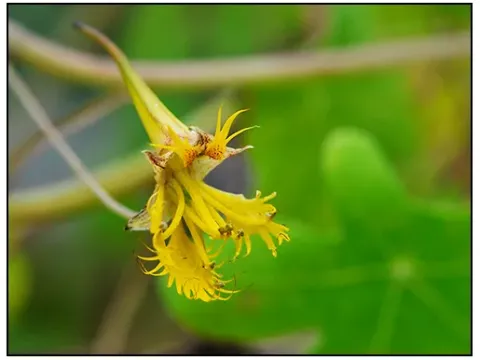
Argentine nasturtium
Tropaeolum argentinum
The sowing of Argentine nasturtium (Tropaeolum argentinum) is typically scheduled for the spring season once the threat of late frosts has completely passed.
What the section contains
Argentine nasturtium
In regions with cooler climates, starting seeds indoors using biodegradable pots is highly recommended to protect the sensitive root system during transplantation.
Seeds should be planted at a depth of approximately 2 centimeters to ensure adequate moisture retention and support successful germination.
Germination usually takes place within two weeks if the substrate temperature is maintained consistently between 18 and 22 degrees Celsius.
Spacing the plants effectively is crucial, as the vegetative growth can be vigorous under favorable conditions, which can lead to competition for resources.
As a member of the Tropaeolaceae family, this species requires a location with full sun exposure to maintain its characteristic growth habit and vibrant flowering.
Soil quality should lean towards well-draining, sandy or loamy compositions that prevent waterlogging, which the plant species strongly dislikes.
Regular but moderate irrigation is essential; the soil should be kept moist but not saturated, especially during the early stages of establishment.
The Argentine nasturtium thrives in neutral to slightly acidic soil conditions, which allows for optimal uptake of vital minerals from the soil profile.
Excessive fertilizer application, particularly nitrogen, should be avoided as it encourages leafy foliage growth at the expense of flower production.
Aphids are the most prevalent pest affecting this crop, often clustering on new growth and stems and leading to significant deformation of the leaves.
Spider mites can also be a significant issue in dry, arid environments, requiring regular monitoring of the underside of the foliage for early detection.
Bacterial wilt represents a major pathological threat to the crop, often manifesting as rapid drooping and subsequent death of the affected individual plants.
Fungal leaf spot diseases can emerge in conditions of high humidity or poor air circulation, necessitating improved spacing and sanitation practices.
Effective management includes implementing a strict rotation schedule and removing debris from the field to minimize the buildup of soil-borne pathogens.