
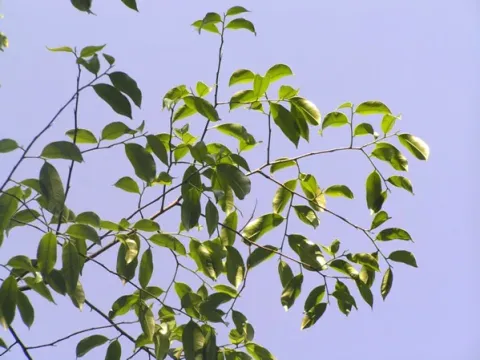
Gonystylus maingayi
Gonystylus maingayi
Gonystylus maingayi is a significant tropical evergreen tree species belonging to the Thymelaeaceae family. It is widely recognized for its ecological importance in the wetland forest ecosystems of Southeast Asia, particularly in Malaysia and Indonesia.
What the section contains
Gonystylus maingayi
This tree typically inhabits peat swamp forests, where it thrives in acidic, waterlogged soil conditions. Its root system is specifically adapted to these environments, allowing for stability in soft, saturated ground.
The climate requirements for this species are strictly tropical, necessitating high annual rainfall and consistent, warm temperatures ranging from 24°C to 28°C throughout the entire year.
In terms of cultivation, Gonystylus maingayi requires shade during its juvenile phase to protect it from direct intense sunlight, reflecting its natural evolution under the dense forest canopy.
Economically, the species is highly valued for its timber, commonly known in the global market as 'ramin'. The wood is favored for its fine, even texture, durability, and ease of machining, which makes it a preferred choice for high-quality furniture making.
The primary threat to the sustainability of Gonystylus maingayi is the rapid deforestation and the drainage of peatland forests, which irreversibly alter its native habitat.
Infection by root-rot pathogens is a common issue when the hydrological cycle is disturbed, leading to systemic weakness in the tree's vascular health.
Boring insects represent a major agricultural challenge, as they penetrate the sapwood and create galleries that compromise the structural integrity of the timber.
Invasive weed species often outcompete saplings in degraded forest areas, hindering the natural regeneration rate required to maintain healthy population densities.
Climate change-induced stress, including prolonged droughts or anomalous flooding patterns, significantly reduces the yield and survival rate of this tropical species.