
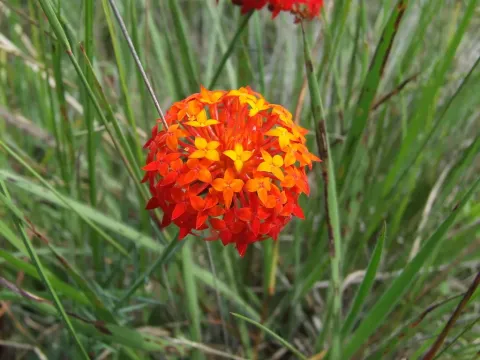
Gnidia
Gnidia
The genus Gnidia comprises a diverse group of herbaceous perennials and shrubs belonging to the Thymelaeaceae family. Primarily native to the African continent, these plants are well-adapted to varied habitats ranging from shrublands to mountainous rocky terrains.
What the section contains


Gnidia
Environmental requirements for successful cultivation emphasize the need for well-draining soils. They thrive in sandy or gritty substrates where moisture does not accumulate, as the root system is highly prone to fungal degradation in waterlogged conditions.
Sunlight exposure is a critical factor for the vigor and floral display of Gnidia. As heliophytes, these plants require full sun to maintain compact growth and induce the production of their characteristic fragrant, nectar-rich flowers.
Botanically, plants of this genus possess narrow leaves often covered with fine hairs, an evolutionary adaptation to conserve water. Their structural diversity allows them to occupy significant roles in local ecosystems, often serving as pioneer species.
Economic use of Gnidia is primarily ornamental in Mediterranean-like climates. Some species also hold significance in ethnomedicine due to their phytochemical composition, which is currently a subject of interest in pharmaceutical research.
The main threats to the health of Gnidia involve root rots triggered by soil pathogens like Phytophthora, which thrive in poorly drained environments with high humidity levels.
Foliar diseases such as powdery mildew can affect the plants if the air circulation is inadequate, leading to the development of necrotic spots and eventual decline of the plant tissue.
Insect pests typically include spider mites and aphids, which can cause significant damage by piercing the plant tissues and extracting sap, often leading to stunted growth or deformed inflorescences.
Effective management strategies require strict adherence to water management protocols, ensuring that the soil dries out sufficiently between irrigation cycles to discourage pathogen proliferation.
Integrated pest management, including the use of neem-based oils or appropriate chemical pesticides, is recommended to mitigate the impact of infestations without disrupting the delicate balance of the garden environment.