
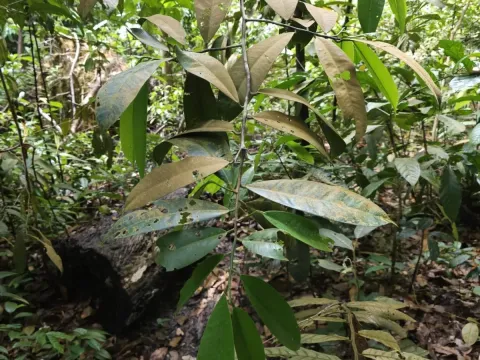
Gonystylus confusus
Gonystylus confusus
Gonystylus confusus is a tropical tree species belonging to the Thymelaeaceae family. It is native to the lowland rainforests of Southeast Asia, specifically found in regions of Malaysia and Indonesia where peat swamp forests occur.
What the section contains
Gonystylus confusus
The species requires a specific microclimate characterized by high annual precipitation and consistently warm temperatures. It thrives in soils that are waterlogged or periodically inundated, showing a specialized adaptation to peat-rich environments.
Botanically, the tree is known for its slow growth rate and high wood density. The leaves are typically leathery, which is a common adaptation for plants in intense sunlight and high humidity environments found within its natural canopy range.
Requirements for its survival include the preservation of the delicate water table in its habitat. Any significant alteration to the drainage system of these forests leads to the rapid decline and mortality of the population, as the species is not drought-tolerant.
Economically, the timber derived from this and related species is known as "Ramin". Due to its high quality and durability, it has been heavily exploited, leading to its inclusion in international conservation lists to prevent further habitat loss.
The primary threats include habitat destruction through deforestation and land conversion for agriculture. Pathogen-induced root rot poses a secondary risk when forest drainage is disturbed, creating conditions favorable for fungal growth and weakening the tree structure.