
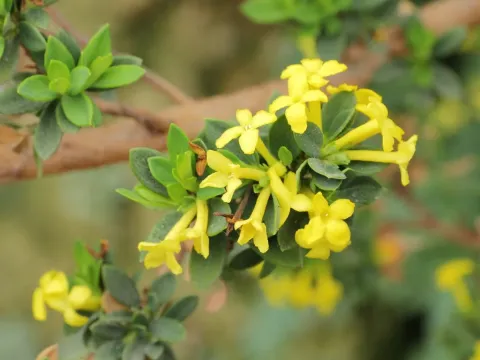
Orange daphne
Daphne aurantiaca
Orange daphne (Daphne aurantiaca) is an evergreen shrub belonging to the Thymelaeaceae family. It is native to the high-altitude mountainous regions of southwestern China, where it thrives in rocky environments with excellent natural drainage.
What the section contains
Orange daphne
Cultivation of this species requires specific climatic conditions, as it prefers cool, moderate summers and cold winters. It is best suited for rock gardens or sheltered borders where it can receive bright, indirect light while being protected from scorching heat.
The soil must be well-drained, porous, and neutral to slightly acidic. Heavy soils should be amended with grit or perlite to prevent water stagnation, as the root system is highly sensitive to hypoxia and fungal rot if kept consistently wet.
Good agricultural practices for this plant involve consistent but moderate moisture, especially during the growth phase. Mulching with organic matter is highly recommended to regulate soil temperature and prevent the roots from drying out during brief heatwaves.
The primary utility of the Orange daphne is its ornamental value in landscaping. Its vibrant, bright orange blossoms, which typically appear in spring, provide a striking contrast against its dark, leathery foliage, making it a sought-after specimen for collectors.
Root rot caused by Phytophthora species is the most significant threat to the health of Orange daphne. It is frequently triggered by overwatering or poor soil structure, necessitating strict adherence to irrigation protocols and the use of well-drained substrates.
Aphids are the most common pests observed on young shoots. While their damage is usually limited to leaf distortion, they can also act as vectors for viruses that significantly weaken the plant's immune system and aesthetic appeal.
Fungal leaf spots can occur in environments with poor air circulation or excessive overhead irrigation. Keeping the foliage dry and ensuring sufficient spacing between plants are essential cultural practices for preventing these infections.
Cold damage during harsh winters can lead to stem dieback. Protecting the crown with a light covering of breathable materials can help the plant survive extreme temperature fluctuations, especially during the first few years after planting.
It is important to note that the plant contains compounds that can cause skin irritation. Gardeners should exercise caution and wear gloves when performing pruning or maintenance tasks to avoid direct contact with the sap.