
Nierembergia micrantha
Nierembergia micrantha
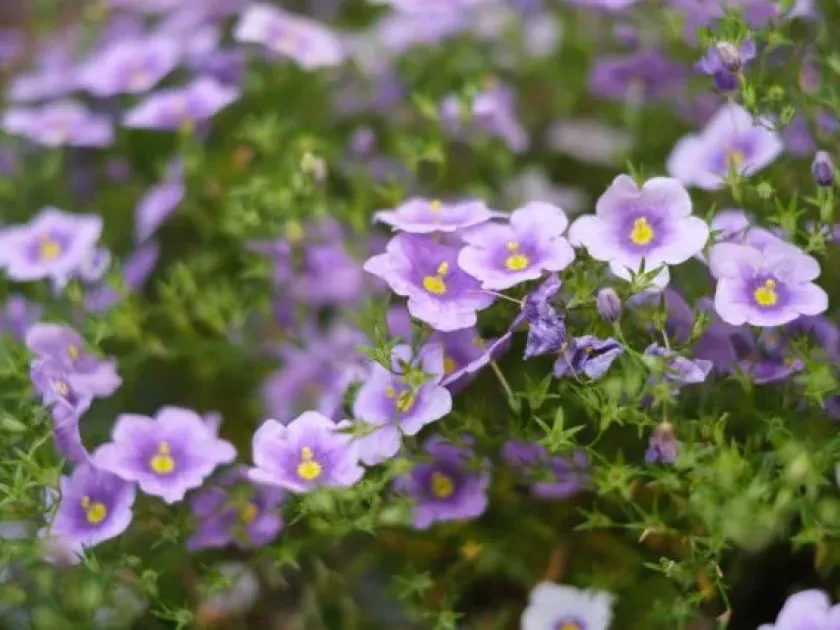
Description
Sowing dates
Nierembergia micrantha is a delicate member of the Solanaceae family often grown as an annual. Propagation starts from seeds, which should be sown indoors in late winter, approximately 8 to 10 weeks before the expected last frost date.
Since the seeds are very small, they should be surface-sown on moist, sterile seed-starting mix. Light pressure is sufficient to ensure good contact with the substrate, as light is beneficial for their germination process.
Covering the seed tray with plastic wrap helps maintain the required humidity and a steady temperature of around 20-22 degrees Celsius. Once the seedlings emerge, remove the cover and move them to a bright location to ensure sturdy growth.
Transplanting into the garden should only happen once the soil has warmed up and all danger of frost has passed. Planting in rows or clusters spaced about 25 cm apart allows for optimal airflow and development.
Hardening off the plants by gradually exposing them to outdoor conditions over a week is crucial for their survival after being moved from the protected indoor environment to the garden beds.
Growing requirements
Native to South America, Nierembergia micrantha thrives in full sun exposure. It requires at least 6 to 8 hours of direct sunlight daily to maintain a compact habit and produce its signature abundant, small blossoms.
Well-draining, moderately fertile soil is essential for this plant. If your garden soil is heavy or tends to retain water, incorporating sand or perlite can significantly improve drainage and prevent root suffocation.
Watering should be managed carefully; while the plant enjoys consistent moisture, it does not tolerate "wet feet." Allow the top layer of soil to dry out slightly between waterings to encourage healthy root development.
Feeding the plants with a balanced, water-soluble fertilizer every two weeks throughout the growing season will sustain continuous flowering. Nitrogen-heavy fertilizers should be avoided to prevent excessive leafy growth at the expense of blooms.
This species is not frost-tolerant and prefers temperatures ranging between 18 and 25 degrees Celsius. In cooler climates, it is typically managed as an annual, though it adds significant aesthetic value during the warm months.
Main diseases and pests
Aphids and spider mites are the most common pests affecting Nierembergia micrantha. These insects tend to flourish in hot, dry conditions, making regular monitoring of the underside of the leaves highly important.
Fungal diseases like powdery mildew or root rot can occur if the planting site lacks adequate air circulation or if the soil remains constantly waterlogged. Proper spacing is the best preventative measure against these issues.
Insecticidal soaps or neem oil can be used to manage localized pest outbreaks effectively. Applying treatments early in the morning or late in the evening minimizes the risk of leaf burn and protects beneficial pollinators.
If root rot symptoms appear, such as yellowing leaves and wilting despite damp soil, it is necessary to reduce watering immediately and ensure the area is well-drained. In severe cases, removing the affected plant is recommended.
Regular maintenance, including the removal of dead foliage and spent blooms, keeps the plant looking tidy and prevents the build-up of decaying matter that could harbor pests and diseases in the garden bed.