
Nierembergia hybrids
Nierembergia hybrids
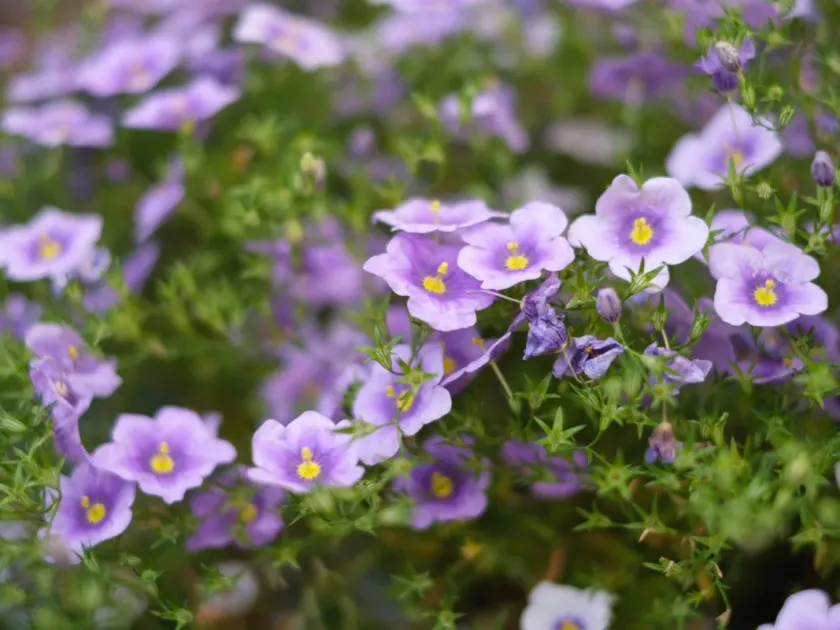
Description
Sowing dates
Nierembergia hybrids, belonging to the Solanaceae family, are popular tender perennials typically grown as annuals. To start the crop, seeds should be sown indoors in late winter or early spring, approximately 8–10 weeks before the expected last frost date.
The seeds are minute and require a light, well-draining seed-starting mix. They should be surface-sown and pressed gently into the soil, as they need light for optimal germination. Keeping the seed tray covered with a clear lid or plastic film helps maintain the necessary humidity.
A consistent temperature of 20–22 degrees Celsius is essential for successful germination. Once seedlings appear, the cover should be removed, and the containers should be placed in a bright, sunny location to prevent the plants from becoming leggy.
Seedlings should be transplanted into individual pots when they are large enough to handle. This step allows for stronger root development, which is critical for establishing healthy plants before they are eventually moved outdoors.
Gradual hardening off is mandatory before planting in the garden. Over a period of two weeks, the young plants should be exposed to outdoor conditions incrementally to minimize transplant shock and encourage sturdy growth.
Growing requirements
These plants thrive in full sun, which is necessary to produce the characteristic cup-shaped blooms in abundance. While they can tolerate partial shade, insufficient light often results in poor flowering and weaker stems.
Soil requirements include excellent drainage and moderate fertility. The plants are highly sensitive to waterlogged conditions, which can lead to root rot within a short period, especially in heavier clay-based soils.
Regular irrigation is necessary to keep the soil consistently moist but never saturated. Plants in containers or hanging baskets will require more frequent watering, particularly during hot summer afternoons.
For optimal performance, apply a balanced liquid fertilizer every two weeks during the growing season. This ensures the plant has enough energy to maintain its high level of flower production from late spring through autumn.
Pruning is an effective technique to keep the plants compact and promote new growth. Trimming back the stems occasionally will remove spent blooms and encourage the plant to branch out, resulting in a fuller habit.
Main diseases and pests
Root rot is the most common disease associated with overwatering or poor drainage. Using high-quality potting soil with added perlite or grit can significantly mitigate the risk of these water-related issues.
Aphids are frequent pests that target the tender tips of the stems and the developing buds. Regular monitoring and the application of insecticidal soaps or neem oil are usually effective for managing minor infestations.
Spider mites can become problematic during hot, dry spells, feeding on the undersides of leaves and causing stippling. Increasing humidity or using targeted acaricides can help manage these pests effectively.
Powdery mildew may occur when air circulation is limited or when humidity levels fluctuate wildly. Ensuring adequate spacing between plants is a simple yet vital cultural practice to improve airflow and reduce fungal pressure.
By maintaining good garden hygiene and removing debris from around the base of the plants, gardeners can significantly lower the likelihood of encountering common pathogens and pest outbreaks.