
Nierembergia veitchii
Nierembergia veitchii
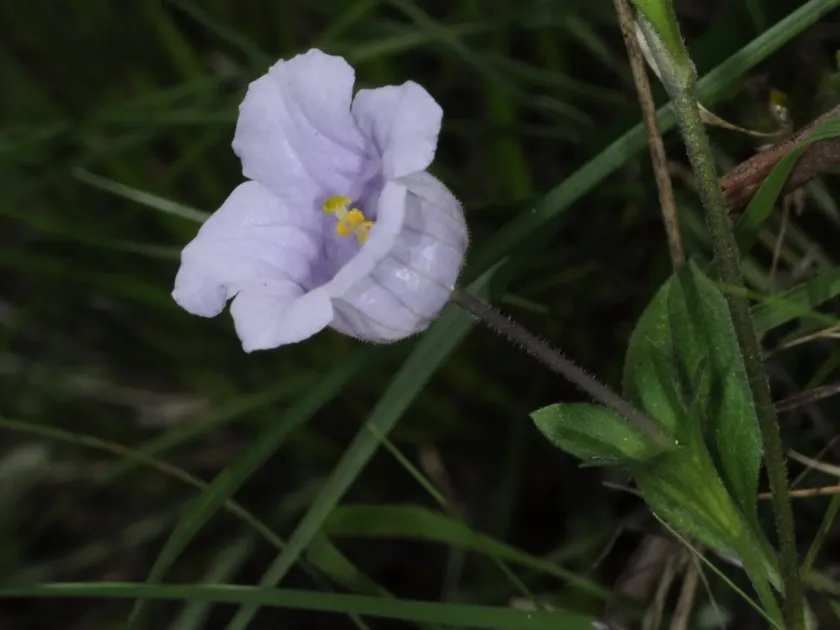
Description
Sowing dates
Nierembergia veitchii is a charming herbaceous plant, typically treated as an annual or tender perennial in many climates. Seeds should be started indoors in late February or early March to ensure a long flowering season.
When sowing, distribute seeds onto a fine, moist potting mix without covering them too deeply, as they require light for successful germination. Keeping the container covered with plastic or glass helps maintain the necessary humidity levels.
Maintain an ambient temperature of 20–22°C (68–72°F) to support uniform seedling emergence. Once the first true leaves develop, move the seedlings to a brighter area to prevent leggy growth and improve overall vigor.
Prick out the young plants into individual pots or cell trays as soon as they are large enough to handle. Pinching the tips of the shoots during the early growth stage encourages a bushy, compact habit that is highly desirable for display.
Transplant the young plants into their permanent garden location or final containers only after the risk of frost has passed. Typically, late May is the ideal time to ensure the soil is sufficiently warmed for root development.
Growing requirements
Nierembergia veitchii is a member of the Solanaceae (nightshade) family, originating from South American landscapes. This plant thrives in sunny environments and requires at least six to eight hours of direct sunlight daily to bloom effectively.
The soil should be light, well-draining, and fertile. While the plant can tolerate a variety of soil types, it performs best in media that prevents water stagnation, as poor drainage is the primary cause of failure for this species.
Watering practices must be consistent. Allow the soil surface to dry out slightly between waterings to prevent the development of root diseases, but do not let the root ball dry out completely, especially in hot weather.
Regular fertilization is key to maintaining a continuous display of flowers. Apply a balanced, water-soluble fertilizer specifically formulated for flowering plants every two weeks to support the metabolic demands of the bloom production.
This species is highly adaptable to container gardening, making it an excellent choice for hanging baskets and window boxes. When planting in containers, ensure sufficient drainage holes are present and use a high-quality potting substrate.
Main diseases and pests
The most common threat to Nierembergia veitchii is root rot, which typically occurs when the plant is subjected to over-saturated soil conditions. Providing adequate air circulation and proper drainage is the best preventative strategy.
Aphids are the most frequent insect pests, often attacking the tender new growth and developing buds. In cases of low humidity and high temperatures, spider mites may also pose a risk to the foliage.
Integrated pest management, including regular inspection and the use of insecticidal soaps or systemic treatments, is effective for controlling outbreaks. Early detection is crucial to maintain the plant's aesthetic value.
Fungal issues, such as powdery mildew or various leaf spots, can occur if the foliage remains wet for extended periods. Avoid overhead watering late in the day to minimize the risk of pathogen transmission and development.
By keeping the plant properly spaced and ensuring it is not overcrowded in its planter, the risk of disease is significantly reduced. Remove any spent blooms and yellowing leaves promptly to encourage clean, continuous growth.