
Nierembergia linariaefolia
Nierembergia linariaefolia
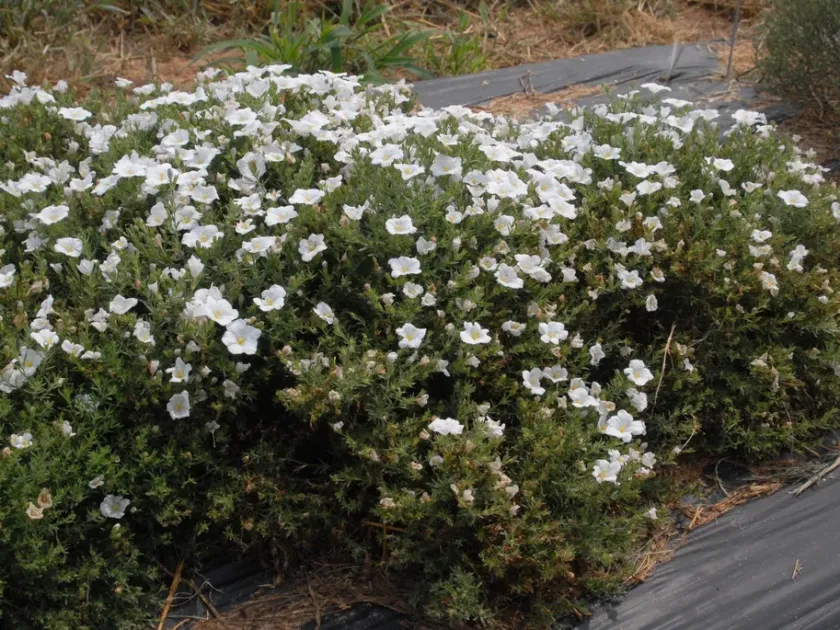
Description
Sowing dates
Nierembergia linariaefolia is typically grown as an annual in most climates, though it is technically a perennial. Seeds are sown indoors in late winter, usually February or March, to ensure a long flowering season.
The seeds are extremely fine and require light to germinate. They should be pressed gently into the surface of the soil rather than covered, maintaining high humidity under a glass or plastic cover.
Temperature control is essential during the germination phase; maintaining a constant 20–22 degrees Celsius ensures a high success rate and healthy seedlings.
Once true leaves appear, the seedlings should be pricked out into individual pots. Acclimatization to outdoor conditions is necessary before final planting to prevent transplant shock.
Transplanting into the garden occurs only after the danger of frost has passed and soil temperatures have sufficiently risen, usually in late spring or early summer.
Growing requirements
As a member of the Solanaceae family originating from South America, this plant thrives in full sun. It requires bright exposure to develop its characteristic dense flower clusters.
The soil must be well-drained and light; any accumulation of water around the roots will inevitably lead to rot, making drainage the most critical factor in soil preparation.
Regular watering is required to keep the soil slightly moist, but one must avoid waterlogging the area. The plant handles light periods of drought better than constant water saturation.
Fertilization should be balanced, focusing on phosphorus and potassium to encourage blooming rather than aggressive vegetative growth. Avoid excessive nitrogen as it weakens the plant's structural integrity.
Spacing should be managed to allow for air circulation, preventing the buildup of humidity within the foliage which can lead to fungal issues and premature leaf drop.
Main diseases and pests
Aphids are the most common pests affecting this species, specifically targeting new growth and flower buds, which can lead to stunted development if left untreated.
Fungal pathogens such as root rot and powdery mildew are prevalent in poorly ventilated sites or areas where the soil remains consistently damp for too long.
Spider mites can become a problem in dry, hot environments. Their presence is often detected by fine webbing on the undersides of the leaves and yellowing of the foliage.
Effective pest management relies on early detection and the use of targeted insecticides, while fungal issues are best managed through improved cultural practices and air movement.
Sanitation practices, such as removing spent blossoms and affected foliage, are vital to maintain the health of the planting throughout the summer season.