
Nierembergia scoparia
Nierembergia scoparia Sendtn.
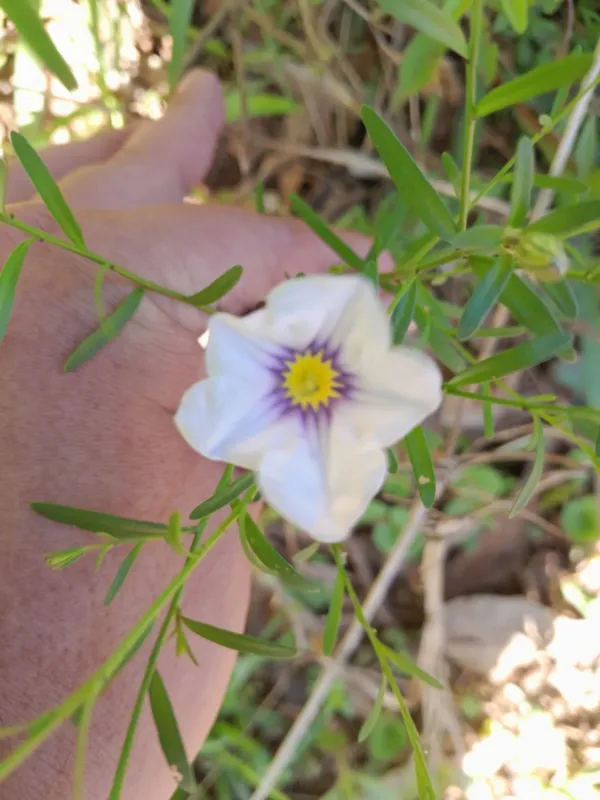
Description
Sowing dates
Nierembergia scoparia, a member of the Solanaceae family, is typically grown as an annual or tender perennial. Seeds should be started indoors in late winter or early spring to allow sufficient time for seedlings to mature before the transplanting stage.
The seeds are exceptionally small and require surface sowing on a moist, sterile growing medium. They should be pressed gently into the substrate without covering them, as light is beneficial for their germination process.
Maintaining a constant temperature of 20-22 °C and high humidity is crucial during the initial stages. A plastic cover or propagator can be used to ensure the soil surface does not dry out while the seeds are sprouting.
Once seedlings develop true leaves, they should be pricked out into individual pots. This step ensures that each young plant receives enough space and nutrients to develop a robust root system before moving outdoors.
Transplanting to the final garden location should only occur after the risk of frost has completely passed. Acclimatizing the plants through gradual exposure to outdoor conditions is recommended to prevent transplant shock.
Growing requirements
This species thrives in full sun, which is necessary for compact growth and prolific blooming. In partial shade, the stems tend to become elongated and leggy, significantly reducing the decorative value of the plant.
Well-draining, moderately fertile soil with a neutral to slightly acidic pH is ideal. If the soil is too heavy or retains excessive moisture, the plant is prone to root rot, which can be lethal.
Watering should be consistent; the soil should remain moist but never waterlogged. During peak summer temperatures, container-grown plants may require daily watering to stay healthy.
Regular fertilization with a balanced liquid fertilizer or one high in potassium promotes continuous flowering throughout the growing season. Apply nutrients every two weeks for optimal results.
Nierembergia scoparia is a heat-loving plant that performs best in warm climates. If the region experiences cold winters, the plants should be moved to a greenhouse or treated as annuals.
Main diseases and pests
Aphids and spider mites are the most common pests affecting this plant. These insects thrive in warm, dry environments and can be controlled using appropriate systemic insecticides or horticultural oils.
Fungal diseases, specifically root rot and Botrytis (gray mold), are frequent issues caused by overwatering or poor air circulation. Ensuring adequate spacing between plants is essential for prevention.
Viral infections may occur, often transmitted by sap-sucking insects. Symptoms include leaf mottling, stunted growth, and irregular flower patterns, which typically necessitate the removal of the affected plants.
Early detection is key to managing infestations. Gardeners should inspect the foliage frequently, focusing on the undersides of leaves where pests often hide during the early stages of a population boom.
Maintaining a clean growing area by removing plant debris prevents the accumulation of spores and pest eggs, significantly reducing the risk of future outbreaks in the garden.