
Nierembergia hippomanica
Nierembergia hippomanica Miers var. coerulea (Gillies ex Miers) Millán
Description
Sowing dates
Nierembergia hippomanica is typically grown as an annual in temperate climates. Sowing starts indoors in late winter or early spring to ensure the plants reach a flowering stage by early summer.
Seeds are tiny and require light to germinate, so they should be surface-sown on a moist, fine-textured growing medium. Do not cover the seeds with soil, but press them gently to ensure good contact.
Maintain temperatures around 20–22 degrees Celsius and keep the surface moist using a spray bottle. Once the seedlings develop their first true leaves, they should be carefully pricked out into individual pots.
Hardening off the seedlings is essential before planting them outside. Gradually expose the young plants to outdoor conditions over a week to prevent transplant shock.
Planting in the final location should only occur after all risks of frost have passed. These plants thrive when given adequate space to spread, which helps in creating a dense, blooming cover.
Growing requirements
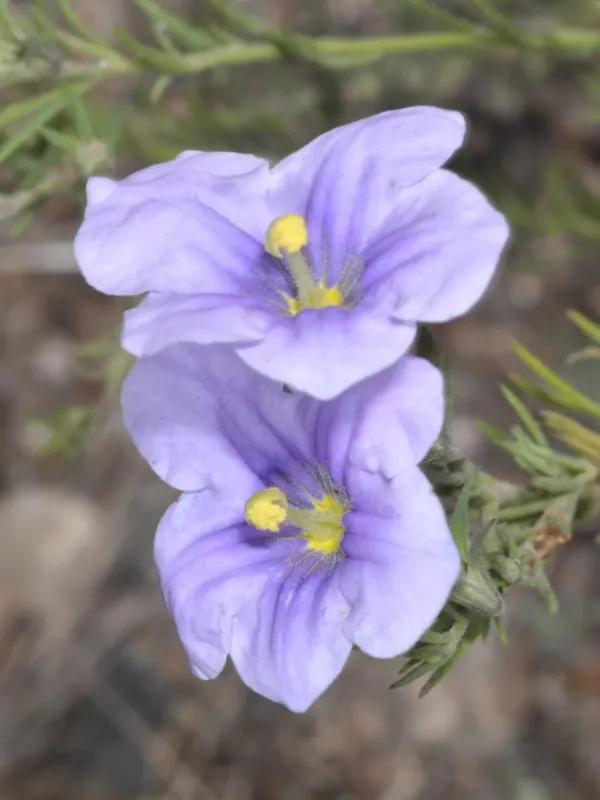
Belonging to the Solanaceae family, this species requires a sunny location to produce its characteristic blue or violet cup-shaped flowers. It does not perform well in deep shade.
Well-drained soil is crucial for the health of the plant. A sandy or loamy soil mixture with balanced fertility is ideal, as it prevents root suffocation caused by waterlogging.
Regular irrigation is necessary to keep the soil consistently moist but never waterlogged. During hot summer months, increased evaporation requires checking soil moisture daily.
Fertilize the plants regularly during the growing season with a balanced liquid fertilizer to support continuous blooming. High-potassium formulas are particularly beneficial for flower development.
Maintenance involves occasional pinching of the stems to encourage bushier growth. Keeping the planting area weed-free allows the plants to compete effectively for nutrients and light.
Main diseases and pests
Aphids are the most common pests affecting the tender new growth. Use insecticidal soaps or neem oil as an organic management strategy to keep infestations under control.
Slugs and snails can cause significant damage to the foliage, especially in moist and cool spring weather. Protect young plants with physical barriers or non-toxic traps.
Root rot is a major threat caused by poor drainage or excessive watering. Ensuring the planting site has excellent water run-off is the best way to prevent this condition.
Fungal diseases like powdery mildew may appear if airflow is restricted around the plants. Proper spacing and avoiding overhead watering help keep the foliage dry and healthy.
Routine inspections are vital for early detection of potential outbreaks. Removing any yellowed or diseased plant parts immediately helps protect the rest of the garden bed.