
Simaba guianensis
Simaba guianensis
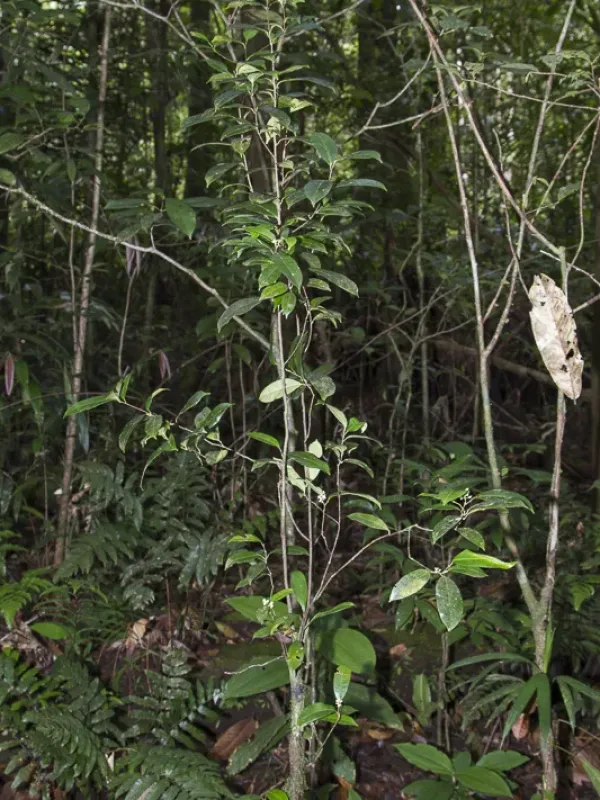
Description
Growing requirements
Simaba guianensis, belonging to the Simaroubaceae family, is a notable tropical tree species primarily distributed across the Amazon basin and northern South America. It serves as a significant biological resource within its native rainforest ecosystem.
The cultivation of this species requires a warm, humid environment characterized by high annual precipitation levels. It thrives in well-drained, nutrient-rich soils with a slightly acidic profile, which are typical of many tropical regions where this tree naturally flourishes.
Optimal growth conditions involve constant temperature ranges, avoiding exposure to cold drafts or low-temperature spells. The plant responds well to high levels of atmospheric humidity, which is essential for maintaining proper transpiration and metabolic rates.
Regarding agrotechnical practices, focus must be placed on soil fertility management. Regular applications of organic mulch help maintain soil structure and moisture, while proper spacing during planting ensures that each specimen receives adequate air circulation.
The development of young plants is highly dependent on light availability. While tolerant of partial shade, specimens typically exhibit more vigorous growth and faster maturation when given access to sufficient filtered tropical sunlight.
Main diseases and pests
The primary threats to the health of Simaba guianensis plantations include fungal pathogens such as various forms of root rot and stem decay. These issues are exacerbated by excessive moisture and poor drainage in the cultivation area.
Insect pests represent another significant challenge, particularly leaf-chewing insects and wood-boring beetles that can structurally damage the tree. Integrated pest management strategies are crucial for maintaining the productivity of commercial stands.
Economically, the species is valued for its bark and seeds, which are rich in quassinoids. These compounds are studied extensively for their pharmacological potential, including antimalarial, anti-inflammatory, and antipyretic properties.
The timber of the tree is also utilized for various local construction projects and tool making, due to its resistance to decay. However, commercial exploitation must be balanced with conservation efforts to prevent the over-harvesting of wild populations.
Future agronomic progress in the cultivation of Simaba guianensis relies on selecting disease-resistant clones and refining harvest techniques to maximize yield without causing permanent damage to the structural integrity of the trees.