
Simaba cedron
Simaba cedron
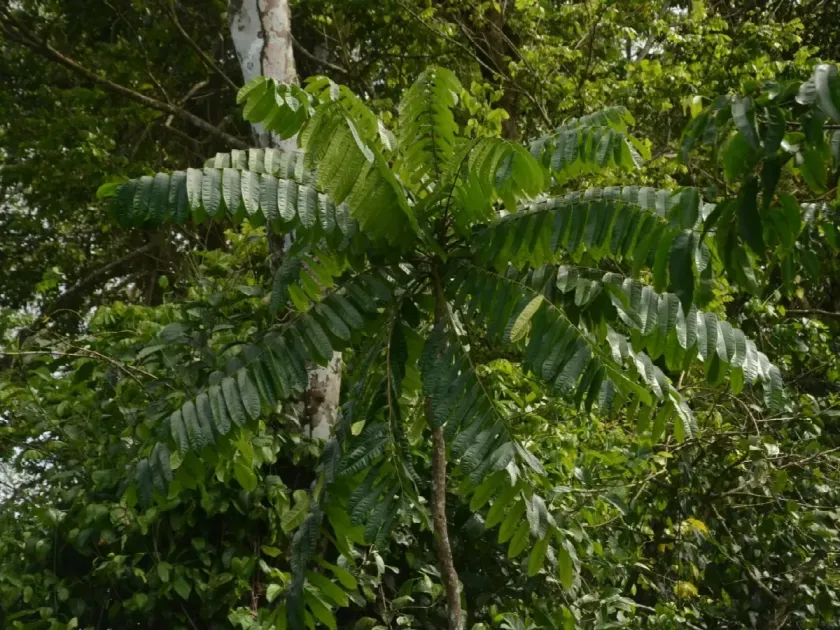
Description
Growing requirements
Simaba cedron is a notable plant species within the Simaroubaceae family. It is native to the tropical forests of Central and South America, where it thrives in warm, humid conditions ranging from Panama to Colombia and parts of the Amazon basin.
The plant requires a strictly tropical environment to survive. It flourishes in areas with consistent high humidity and deep, nutrient-rich soils that provide excellent drainage, as the root system is highly sensitive to waterlogging or anaerobic soil conditions.
Botanically, Simaba cedron is recognized by its pinnate leaves and distinctive fruit structures containing large, hard seeds. These seeds are the primary organ of interest, known historically for their potent alkaloid content, which serves as a defense mechanism against herbivores.
Economically and medicinally, the plant has long been valued by indigenous populations as a traditional remedy. Its seeds are processed to treat snake bites, insect stings, and various febrile conditions, often being referenced in historical medical literature as a potent botanical agent.
Cultivation practices for this species are limited to specialized tropical nurseries and botanical gardens. Due to its slow growth rate and precise climatic demands, it is not currently grown as a large-scale agricultural crop, remaining a niche plant for scientific and medicinal exploration.