
Peltoboykinia watanabei
Peltoboykinia watanabei
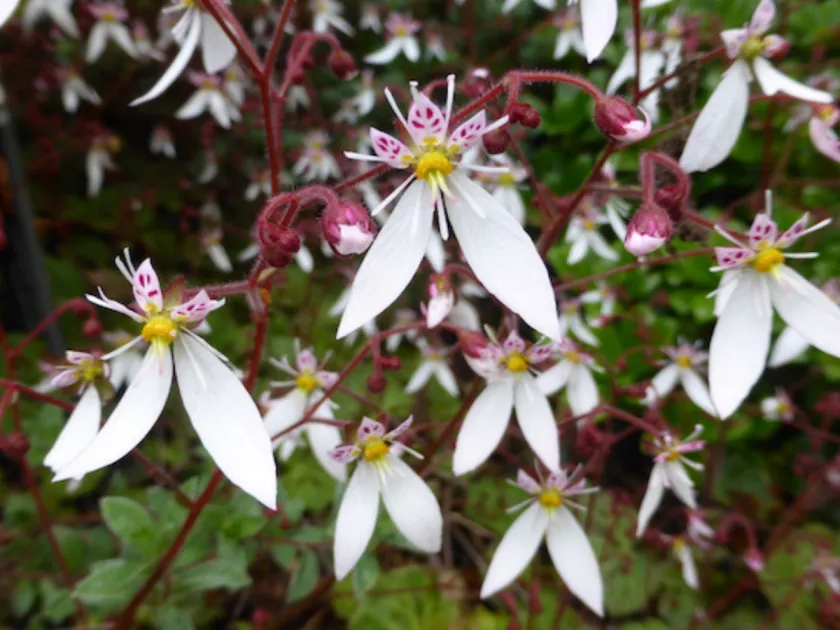
Description
Growing requirements
Peltoboykinia watanabei is a rare herbaceous perennial plant belonging to the Saxifragaceae family. Native to the mountain forests of Japan, this species is highly valued in horticulture for its unique architectural foliage.
The plant has specific requirements regarding moisture and light levels. It thrives best in partially shaded or fully shaded locations, as direct sunlight can easily damage its delicate, large palmately lobed leaves.
The growing medium must be rich in organic matter, loose, and capable of retaining moisture while ensuring proper drainage. Ideal soil conditions include slightly acidic forest soil amended with leaf mold and peat.
This species prefers a cool climate with moderate temperatures. In regions with hot summers, mulching the root zone is essential to maintain consistent soil moisture and protect the rhizomes from overheating.
Propagation is typically carried out vegetatively by dividing the rhizomes in early spring or early autumn. While seed propagation is possible, it is less common due to the slow growth rate of seedlings during their first year.
Main diseases and pests
Slugs and snails represent the primary threat to Peltoboykinia, as they frequently feed on the succulent foliage during damp weather. Using physical barriers or environmentally safe molluscicides is recommended for plant protection.
Waterlogged soil or poor drainage conditions can lead to fungal infections, particularly root rot. Providing adequate soil aeration and avoiding excessive irrigation are critical preventative measures for plant health.
Fungal leaf spots can occasionally occur if air humidity is high and air circulation is insufficient. Prompt removal of affected foliage and thinning out overcrowded plantings can help manage the spread of pathogens.
The plant shows moderate resistance to diseases when grown in optimal conditions. Applying mulch made from wood chips or pine needles can suppress the development of soil-borne pathogens near the crown.
Consistent monitoring for pests is advised, especially during the spring when new growth emerges. Regular inspection allows for early detection of potential damage, ensuring the plant maintains its ornamental appearance throughout the season.