
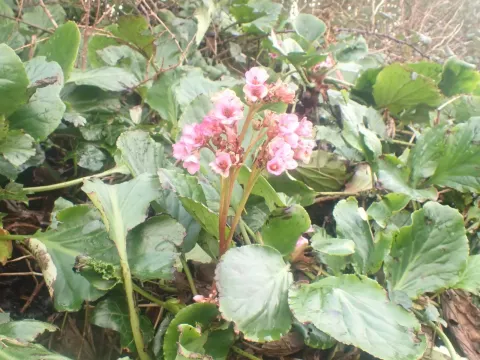
Bergenia
Bergenia
Bergenia belongs to the Saxifragaceae family and is recognized as a hardy herbaceous perennial with thick, leathery leaves and distinct rhizomatous root systems.
What the section contains


Bergenia
Native to Central and East Asia, this plant thrives in diverse environments, from rocky mountainous slopes to shaded woodland edges, which dictates its preference for partially shaded garden sites.
It prefers well-drained, humus-rich, and slightly acidic soils, although it is remarkably adaptable and can tolerate poorer soil conditions if moisture is managed correctly.
Bergenia exhibits exceptional cold hardiness, allowing it to remain evergreen in milder climates and survive harsh winters under snow cover in colder regions.
Agricultural management requires minimal intervention, primarily focusing on removing dead foliage and ensuring the site is protected from extreme heat during peak summer months.
The plant is susceptible to various leaf spot diseases, typically caused by fungal pathogens such as Phyllosticta, which are exacerbated by high humidity and poor air circulation.
Common pests include slugs and snails that can damage the thick foliage, as well as vine weevils that might affect the roots, necessitating regular monitoring and integrated pest management.
The rhizomes are harvested primarily for medicinal use, typically in autumn or early spring, requiring careful washing and drying at moderate temperatures to maintain active compounds.
The harvest of senesced leaves, which have turned brown/black over the winter, is a traditional practice for producing fermented tea rich in natural tannins and antioxidants.