
Androsace-leaved saxifrage
Saxifraga androsacea
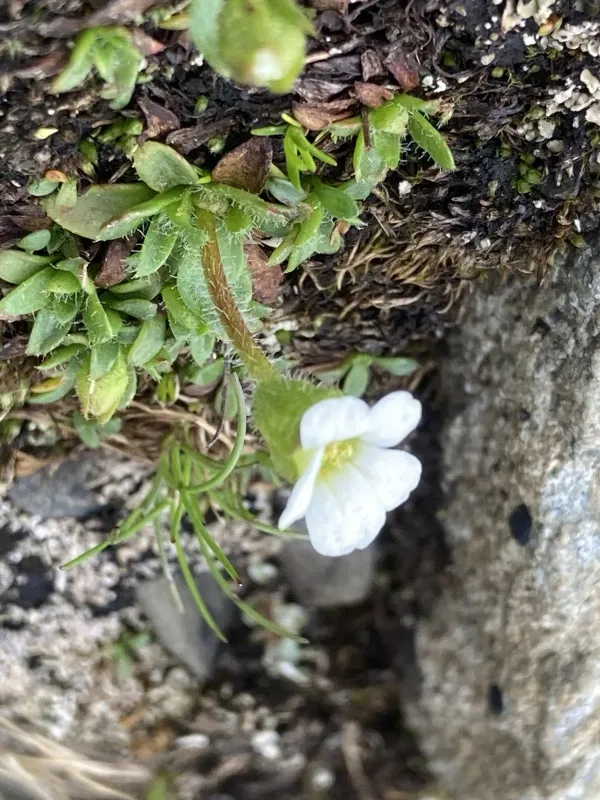
Description
Sowing dates
Sowing seeds of Saxifraga androsacea is best performed in the autumn to allow for natural chilling, which mimics the plant's native high-altitude habitat. Seeds require a period of dormancy breaking through cold temperatures to germinate successfully.
For greenhouse cultivation, sow the seeds on the surface of a well-draining, grit-heavy potting mix. Do not cover the seeds with soil, as they are extremely small and need light to trigger the germination process effectively.
Maintain a stable temperature between 5°C and 15°C during the germination phase. Keep the seed trays in a well-ventilated area, avoiding direct sunlight that could dry out the delicate surface layer of the substrate.
Once seedlings have developed their second true leaves, they should be carefully pricked out and potted into individual small containers. Using a mix with high mineral content ensures that the seedlings begin developing a robust root system early on.
Vegetative propagation via offsets is the most reliable method for maintaining specific plant characteristics. Offsets should be carefully separated during the dormant season or early spring and planted into moist, gritty soil.
Growing requirements
Saxifraga androsacea, a member of the Saxifragaceae family, is an ideal plant for alpine gardens and rockeries. Its origin traces back to the high mountain ranges of Europe, where it thrives in rocky scree and exposed cliffs.
The plant demands a gritty, mineral-rich soil with superior drainage capabilities. Heavy clay soils are unsuitable and will almost inevitably lead to the loss of the plant due to root suffocation and crown rot.
Bright, filtered light is preferred. While it is adapted to high UV radiation in its native habitat, intense afternoon heat in lower altitudes can stress the plant, making a position with eastern exposure ideal.
Moisture requirements are specific: the soil should remain slightly damp during the growing season, but never waterlogged. Airflow is crucial; the plants should be positioned where they can enjoy steady breezes to keep the foliage dry.
Maintenance tasks include the application of a top dressing of fine granite chippings. This layer serves to keep the lower leaves away from the damp soil, preventing the development of rot and maintaining the plant's health.
Main diseases and pests
Fungal pathogens are the primary concern, particularly during humid weather. Root rot caused by poor soil drainage is the most frequent cause of plant mortality in managed alpine garden settings.
Pests such as aphids and spider mites can be problematic during dry spells. These pests colonize the tight rosettes of the plant, often going unnoticed until significant damage to the leaf structure has occurred.
Slugs and snails present a seasonal threat, as they are attracted to the tender succulent foliage. Implementing a barrier of coarse gravel or using organic repellent methods can protect the plants from significant herbivory.
To mitigate disease risks, avoid overhead watering at all costs. Water should be applied directly to the soil or by using an irrigation mat, which prevents the moisture from settling in the center of the leafy rosette.
Regular sanitation, including the removal of dead or decaying leaves from the base of the plant, is essential. This reduces the risk of gray mold and other airborne fungal diseases that thrive in the decaying organic matter.