
Heartleaf bergenia
Bergenia cordifolia
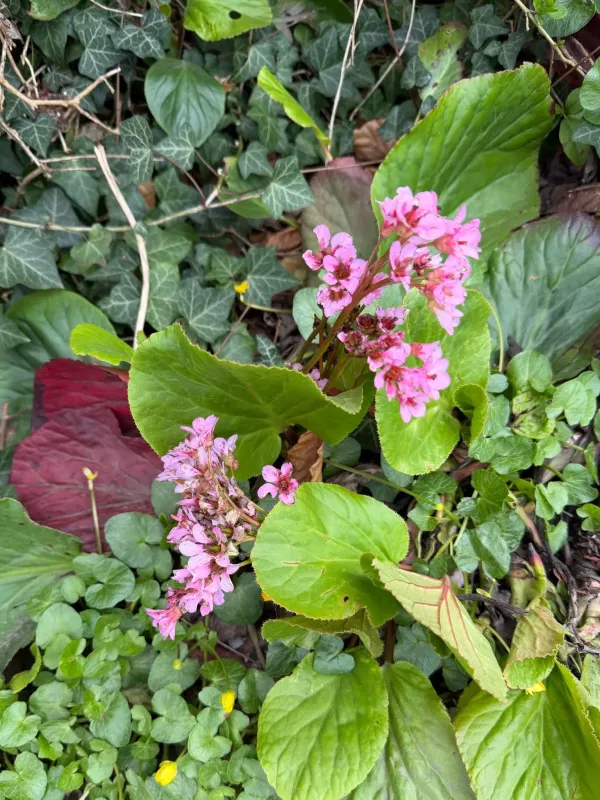
Description
Sowing dates
Propagation of Heartleaf bergenia is primarily achieved through the division of rhizomes, which ensures the preservation of specific varietal traits and promotes faster establishment. The best time for division is immediately after the flowering period, typically in late spring or early summer.
Seed propagation is also possible but is mostly used by professional nurseries. Seeds are sown into containers during autumn or early spring, provided they undergo a period of stratification at low positive temperatures for about one month to break dormancy and ensure uniform germination.
When sowing, seeds should be scattered on the surface of a moist, sterile substrate without covering them, as light is essential for successful germination. Maintaining a steady temperature of 18–20 degrees Celsius and high humidity is crucial during the germination phase, which lasts several weeks.
Seedlings develop slowly, requiring meticulous care, including regular watering and protection from intense direct sunlight. Once the plants reach the two-to-three true leaf stage, they should be pricked out into larger containers to allow for more robust root development.
Transplanting to the permanent location in the garden is recommended only when the plants are two or three years old. This ensures they are sufficiently hardened and have a strong enough root system to survive environmental stressors and compete with surrounding vegetation.
Growing requirements
Heartleaf bergenia, a member of the Saxifragaceae family, is a highly adaptable and hardy perennial. Originating from mountainous regions, it is naturally equipped to withstand harsh climates and varying soil conditions, making it an excellent choice for low-maintenance garden landscaping.
The plant thrives in partial shade and fertile, well-draining soils with a neutral or slightly acidic pH. While it is tolerant of different soil types, ensuring proper drainage is vital, as excessive moisture in the root zone, especially during winter, can lead to rhizome decay.
Although Bergenia is shade-tolerant, it can also grow in sunnier areas if sufficient soil moisture is provided. Its thick, horizontal rhizomes grow close to the surface, forming a dense ground cover that effectively suppresses weed growth, contributing to a clean and managed aesthetic.
Regular maintenance includes clearing away dead leaves in the spring and applying organic mulch around the base. Mulching helps retain moisture, protects surface roots from heat stress during the summer, and slowly releases essential nutrients into the soil as the organic matter decomposes.
Given its natural habitat in rocky areas and forest floors, the plant prefers an environment that mimics these conditions. Adding compost or leaf mold to heavy soils can significantly improve structural porosity, ensuring healthy respiration for the root system and long-term plant vitality.
Main diseases and pests
The most significant disease affecting Heartleaf bergenia is leaf spot, caused by various fungal pathogens that thrive in humid and poorly ventilated conditions. Symptoms appear as brown or black lesions that expand rapidly, potentially covering the entire leaf and weakening the plant.
To control fungal outbreaks, copper-based fungicides or appropriate systemic treatments should be applied at the first sign of infection. Proactive sanitation, such as the removal and destruction of diseased foliage, is essential to prevent spores from overwintering and reinfecting the garden.
Nematodes represent a serious underground threat, as they feed on the root system, causing stunted growth and yellowing leaves. Because nematode infestations are difficult to treat, the most effective management strategy involves removing and disposing of the entire affected plant and its surrounding soil.
Slugs and snails can also cause aesthetic damage to the leaves, especially during wet growing seasons. Gardeners can manage these pests using barriers such as crushed eggshells or wood ash, or by applying organic bait stations designed to attract and eliminate these mollusks safely.
Practicing good garden hygiene is the best defense against pests and diseases. Providing adequate spacing between plants ensures good air circulation, which significantly reduces the humidity levels that favor fungal growth, thereby keeping the Bergenia stand healthy for many years.