
Brook saxifrage
Saxifraga rivularis
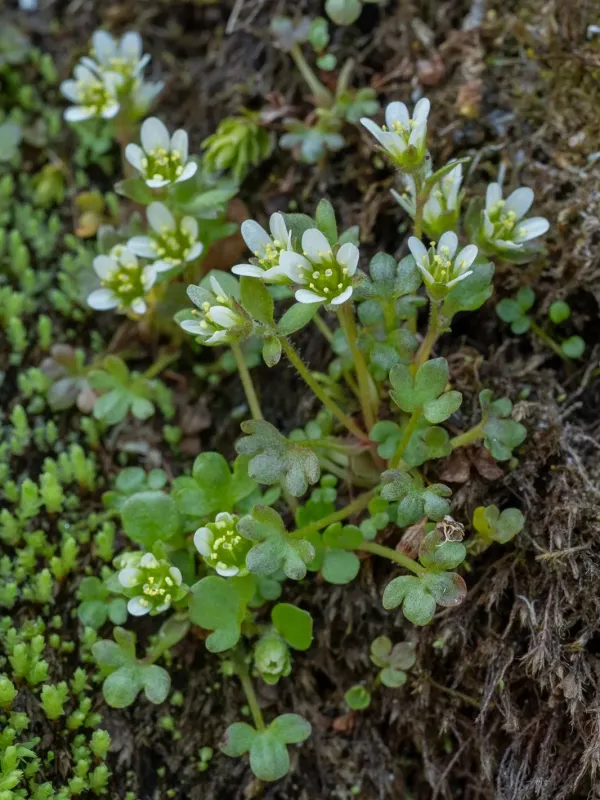
Description
Sowing dates
Brook saxifrage, or Saxifraga rivularis, is a small perennial belonging to the Saxifragaceae family. This species is naturally adapted to moist, cold environments, often found near streams and wet tundra areas.
Propagation in cultivation is typically achieved through seeds, which require a cold stratification period to break dormancy. Sowing should occur in late autumn or early spring to mimic natural frost cycles.
Seeds are fine and should be pressed into a mineral-rich, porous soil mix. A mixture of sand, fine grit, and a little peat is ideal for maintaining the necessary moisture without compaction.
Vegetative propagation is also possible through division of the basal rosettes. This method is often preferred for maintaining specific plant colonies in garden settings.
For best results, maintain a cool, humid environment during the germination stage. Avoid direct sunlight during the early growth phases to prevent desiccation of the delicate root systems.
Growing requirements
The plant thrives in cool, moist conditions with consistent moisture supply. It is an excellent choice for cool, shaded rock gardens where it can receive water seepage or consistent misting.
Soil requirements include excellent drainage combined with high water retention capacity. Stony or rocky substrates with low nutrient content mimic its natural arctic and alpine habitat effectively.
Climate tolerance for Brook saxifrage is high regarding cold, as it is native to the circumpolar region. It is, however, extremely intolerant of heat and dry air conditions.
Light levels should be carefully managed. While the species is accustomed to high arctic light, it does not tolerate the intense, scorching sun found in temperate climate summer afternoons.
Maintenance involves little more than ensuring the soil does not dry out completely. Mulching with gravel or fine pebbles helps keep the root zone cool and prevents weed competition.
Main diseases and pests
Fungal diseases such as powdery mildew or various rot pathogens are common if the plants are kept in stagnant, humid air without adequate ventilation.
Slugs and snails can cause significant damage to the succulent-like foliage during the rainy season. Protective barriers or organic baiting are recommended in sensitive garden patches.
Root rot is the most common killer of cultivated specimens. It is almost always a result of poorly drained soil combined with high temperatures, which favor pathogen development.
Spider mites may occasionally attack the plants, especially in containers where the air is too dry. Maintaining proper humidity levels is the best form of cultural control.
Avoid excessive nitrogen fertilizers, as they lead to soft, elongated growth that is far more susceptible to pest attacks and structural failure during heavy precipitation.