
Brown saxifrage
Saxifraga fusca
Description
Sowing dates
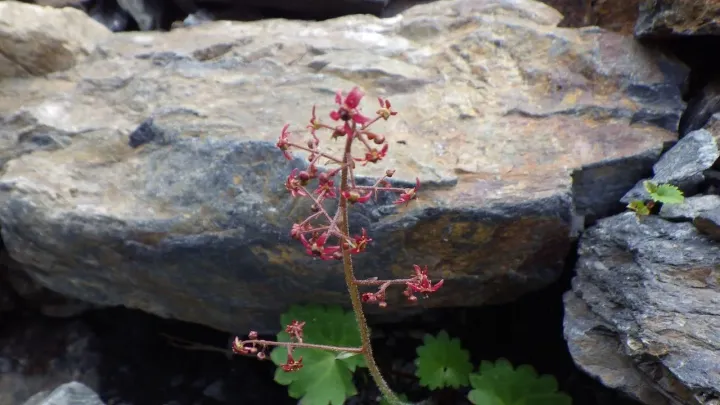
Brown saxifrage (Saxifraga fusca) is a resilient perennial belonging to the Saxifragaceae family. This species is highly valued in rock gardening for its low-growing habit and ability to thrive in cool, moist environments.
Propagation is generally performed through seeds or by dividing mature plant clumps. Seeds should be sown on the surface of a fine, porous substrate and pressed down gently, as light is beneficial for the germination process.
The optimal time for sowing is early spring when soil temperatures begin to rise. Maintaining consistent humidity without soaking the soil is crucial for successful seedling emergence during the first few weeks.
Vegetative division is best carried out after the flowering phase. Dividing the rhizomes allows the plant to establish a robust root system in a new location before the arrival of the cold winter season.
Seedlings or divisions should be spaced appropriately to allow for sufficient air circulation, which prevents the buildup of humidity that could lead to physiological stress in the young plants.
Growing requirements
Saxifraga fusca requires specific environmental conditions to thrive. It prefers well-drained, nutrient-rich soils that maintain a neutral to slightly acidic pH, mirroring its natural alpine or woodland habitat.
Partial shade is the ideal location for this culture. Intense direct sunlight can desiccate the foliage and diminish the plant's overall health, whereas shade helps preserve soil moisture levels.
Watering must be carefully managed to ensure the soil remains moist but never waterlogged. Excessive moisture around the root zone is the most common cause of failure in cultivating this species.
The plant demonstrates significant hardiness but requires a stable microclimate. Mulching the area around the base with stone chips helps keep the leaves off the wet soil and mimics the rocky terrain.
Regular monitoring of moisture levels is required, especially during periods of extreme heat. Implementing a light organic amendment in the soil annually supports healthy growth and plant longevity.
Main diseases and pests
Common pests affecting brown saxifrage include slugs and snails, which can cause significant damage to the succulent leaves. These pests are particularly active during damp weather conditions.
Fungal diseases are the primary threat, especially in conditions with poor airflow or excessive soil moisture. Root rot and grey mold are the most frequent issues encountered by growers.
Managing these threats involves maintaining clean growing areas and removing any decaying plant matter promptly. Proper spacing is a preventive measure against the rapid spread of fungal spores.
If an infestation or infection is detected, immediate intervention using targeted biological controls or fungicides is necessary to protect the remaining healthy foliage of the plant.
Preventative cultural practices, such as ensuring proper drainage and avoiding overhead watering, are more effective than curative measures in sustaining a healthy stand of Saxifraga fusca.