
Synsepalum brevipes
Synsepalum brevipes
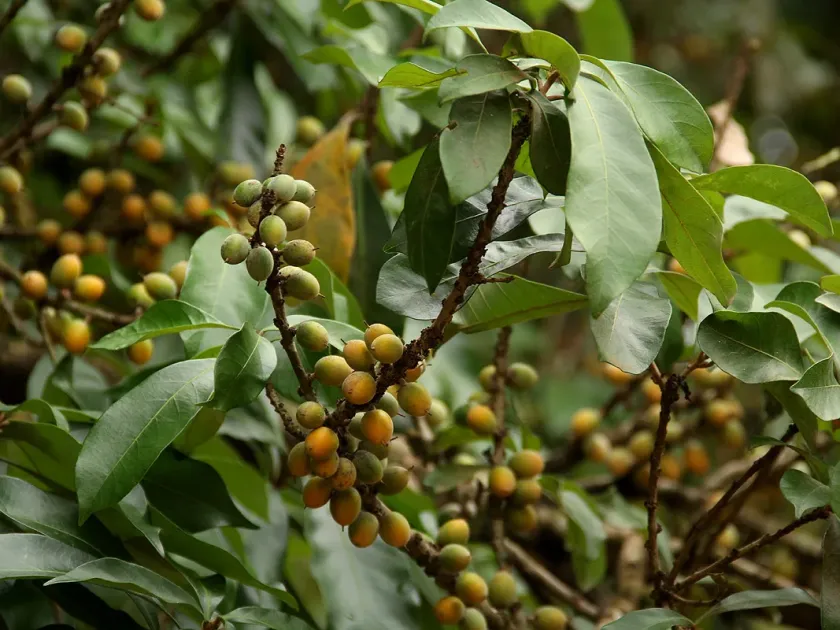
Description
Growing requirements
Synsepalum brevipes is an evergreen shrub or small tree belonging to the Sapotaceae family. Native to the tropical forests of West Africa, it thrives in environments characterized by high humidity and consistent warmth.
The cultivation of this species requires well-drained, acidic soil rich in organic matter. Proper aeration is crucial to prevent root rot, which is a common issue for this plant in non-native environments.
Temperature management is vital; the plant does not tolerate frost or cold drafts. It should be kept in a climate-controlled greenhouse or conservatory where temperatures remain between 22 and 30 degrees Celsius year-round.
Light requirements involve bright, filtered light. Protecting the plant from harsh afternoon sun is essential, as its natural habitat provides a canopy that shields it from direct light intensity.
Agrotechnical practices include consistent watering without waterlogging and the use of balanced, acid-loving plant fertilizers during the growing season to ensure robust vegetative development.
Main diseases and pests
Common pests affecting Synsepalum brevipes include spider mites, scale insects, and mealybugs, especially in indoor environments where air circulation is restricted.
Fungal diseases such as powdery mildew or various forms of root rot may occur if the substrate remains saturated for too long or if the humidity levels are not properly managed.
Regular inspections of the foliage and stem base are recommended to detect early signs of infestations or decay, allowing for prompt intervention with horticultural oils or fungicides.
Maintaining a clean growing environment and providing proper spacing between plants are effective preventative measures against the spread of diseases.
When using chemical treatments, it is important to test on a small area first, as the plant may be sensitive to certain concentrated synthetic pesticides.
Harvesting
The fruit of Synsepalum brevipes is a small, red, elliptical berry that matures progressively throughout the harvest season, requiring multiple passes for optimal collection.
Harvesting should be done by hand when the berries reach their deep red coloration, as the fruit skin is delicate and prone to bruising if handled roughly.
Due to the perishable nature of the fruits, they are best consumed fresh shortly after harvesting or stored in cold conditions to maintain their nutritional profile.
The culinary use of these berries involves fresh consumption as a dessert fruit, often appreciated for their subtle sweetness and unique biological effects on taste buds.
Yield management involves regular pruning to stimulate new growth, which in turn supports better fruit set and overall plant health in subsequent seasons.