
Willow bustic
Sideroxylon salicifolium
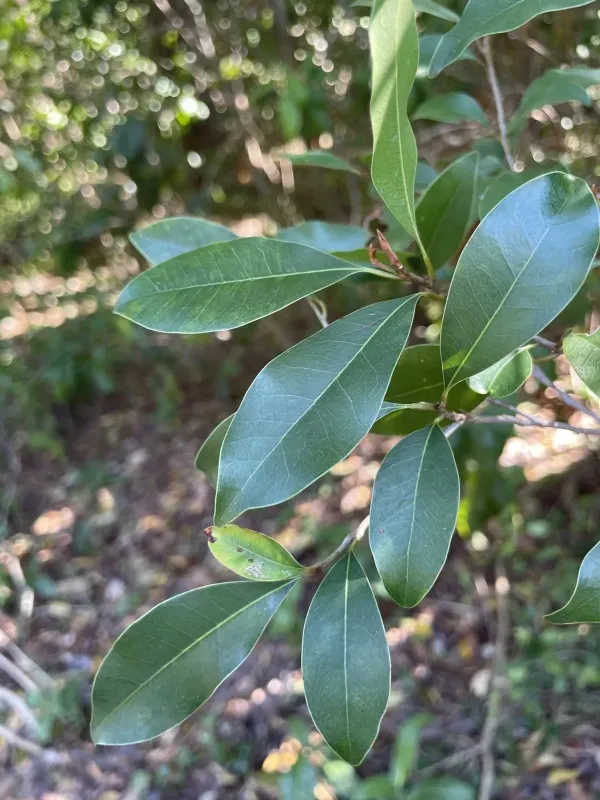
Description
Growing requirements
Willow bustic (Sideroxylon salicifolium) is a notable member of the Sapotaceae family. This evergreen tree is recognized for its dense foliage and high-quality timber, making it a subject of interest in both forestry and botanical studies.
The native range of this species extends across tropical and subtropical environments, primarily found in Southern Florida, Mexico, Central America, and the Caribbean islands. It thrives in regions characterized by warm climates and distinct ecological niches.
Regarding soil requirements, Sideroxylon salicifolium prefers well-drained soil profiles, including limestone-based or sandy soils. Proper drainage is a critical factor for cultivation, as the tree’s root system does not tolerate waterlogging under any circumstances.
Sunlight exposure is essential for the healthy development of this species. In plantation or forestry management, practitioners must account for its slow growth rate, ensuring that seedlings are protected from canopy dominance and invasive weed species during the early stages.
The species exhibits a remarkable degree of drought tolerance once it has established a robust root system. Supplemental irrigation may be required only during prolonged extreme heat or during the initial establishment phase of a new plantation site.
Harvesting
The primary economic utility of the Willow bustic is derived from its extremely hard and durable wood. It is highly valued in local woodworking for crafting furniture, durable construction components, and specialized wooden tools that require high density.
Beyond its industrial use, the tree provides ecological value through its fruit, which serves as a vital food source for avian species. This dual-purpose role makes it an excellent candidate for reforestation projects and sustainable land management strategies in its native tropical range.