
Synsepalum cerasiferum
Synsepalum cerasiferum
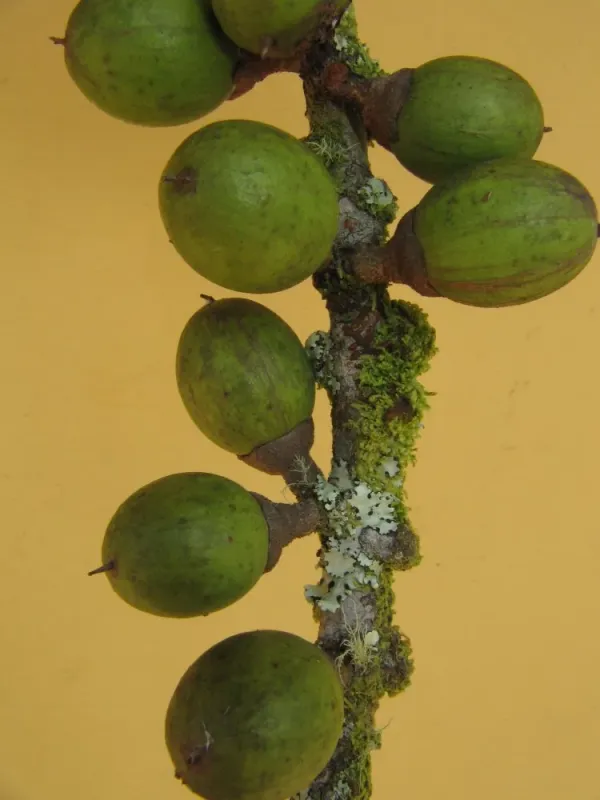
Description
Sowing dates
The propagation of Synsepalum cerasiferum is primarily achieved through seeds, which should be sown immediately after removal from the fruit. Fresh seeds exhibit the highest germination rates, while desiccation significantly reduces viability.
Optimal germination requires a consistent temperature between 25 and 28 degrees Celsius. The growing medium must be acidic, well-draining, and kept constantly moist but not waterlogged to prevent seed rot.
Vegetative propagation via cuttings is possible but requires high humidity and the use of rooting hormones. This method is often preferred for maintaining the specific characteristics of high-yielding cultivars.
Young seedlings require partial shade to protect them from excessive light intensity during the establishment phase. Once a robust root system has developed, plants can be transplanted to larger containers or permanent beds.
The sowing schedule should ideally align with periods of high solar radiation to ensure vigorous initial growth. In greenhouse settings, supplemental lighting can be used to extend the active growing season.
Growing requirements
Synsepalum cerasiferum belongs to the Sapotaceae family, characterized by its evergreen foliage and tropical nature. It naturally thrives in humid environments with nutrient-rich soils, typically found in forest understories.
Soil pH is a critical factor for successful cultivation; the plant prefers a strongly acidic environment, typically ranging from 4.5 to 6.0. Soils with higher pH levels often lead to micronutrient deficiencies and stunted growth.
High relative humidity, ideally above 70 percent, is essential for the plant's health. Dry air conditions trigger leaf loss and inhibit the metabolic processes necessary for fruit production.
Temperature management is vital, as the species is intolerant of cold. Maintaining temperatures above 12 degrees Celsius is necessary, as even mild chilling can cause significant physiological stress to the plant.
The species prefers bright, filtered light. Direct, intense sunlight can lead to leaf scorching, while insufficient light leads to sparse foliage and a dramatic reduction in flowering and overall vitality.
Yield
Yield production is closely linked to plant age and environmental stability. Typically, the first significant harvest occurs after 3 to 5 years, depending on the growing conditions and the intensity of pruning practices.
The fruit develops on the stems, and continuous production is possible in stable tropical conditions. Regular fertilization with a balanced mix of micronutrients is necessary to sustain the energy required for fruit development.
Efficient canopy management is key to maximizing yield. Regular pruning of old or diseased wood encourages new growth and improves airflow, which is essential for healthy flower development and fruit set.
Organic amendments can improve soil structure and water retention, providing a steady supply of nutrients throughout the growing season. Proper water management prevents the physiological stress that causes premature fruit drop.
Individual plant yield potential can be influenced by the specific genetic variety. In professional orchards, optimizing spacing and light distribution per tree significantly improves total biomass output.
Main diseases and pests
Pests such as mealybugs and scale insects represent the most significant threat to the culture. These pests congregate on the underside of leaves and stems, sucking the sap and weakening the plant structure.
Fungal infections, particularly root rot, are commonly triggered by poor drainage or overwatering. Proper ventilation within the canopy is crucial for preventing the spread of fungal spores in high-humidity environments.
Integrated Pest Management (IPM) is the recommended approach, focusing on biological controls and the physical removal of infested foliage to minimize the reliance on chemical pesticides.
Regular monitoring of plant health is vital to detect infestations early. Infected plants should be isolated immediately to prevent the spread of pests to neighboring specimens in the nursery or orchard.
Preventative measures, such as maintaining sterile growing media and sanitizing pruning tools, effectively reduce the risk of introducing soil-borne pathogens and viral infections to the crop.
Harvesting
Harvesting is performed manually to preserve the delicate skin of the fruit, which is highly susceptible to mechanical damage. Workers should use gloves or specialized picking tools to minimize handling stress.
The maturity of the fruit is determined by color change and a slight softening to the touch. Once harvested, the fruit is highly perishable and should be stored in cool, ventilated conditions for short-term shelf life.
Transporting the harvest requires specialized packaging with cushioning materials to prevent bruising during transit. Maintaining the integrity of the fruit surface is essential for its market value.
The fruits are highly valued for their unique properties and are often used in gourmet culinary applications, including beverages and desserts. Quick processing after harvest ensures the highest organoleptic quality.
Grading and sorting by size and maturity should be completed immediately post-harvest. Efficient logistics are required to move the fresh product to market quickly, as shelf stability is quite limited.