
Synsepalum msolo
Synsepalum msolo
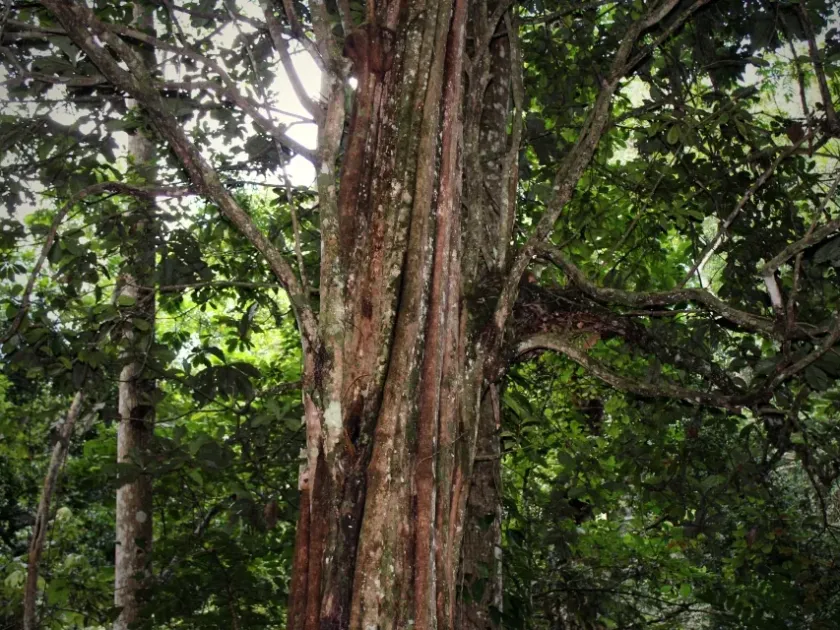
Description
Sowing dates
Propagation of Synsepalum msolo is typically achieved through seeds, which must be sown immediately after harvesting due to their short viability. Using fresh seeds is critical for achieving a high germination rate.
Sowing should take place in a well-draining, organic-rich potting mix with a slightly acidic pH. The temperature must be maintained consistently between 25 and 28 degrees Celsius to support the initial development of the radicle.
High humidity is essential during the germination phase. Covering the seed trays with a clear lid or plastic film helps retain moisture, though occasional ventilation is necessary to prevent fungal development.
Seedlings develop a long taproot early in their growth, requiring deep pots to prevent root restriction. Careful handling during transplanting is crucial to avoid damaging this primary root system, which is very sensitive.
Growth is generally slow in the first two years as the plant establishes its root structure. Providing dappled shade during this initial stage protects the young plants from excessive heat and water loss.
Growing requirements
Synsepalum msolo belongs to the Sapotaceae family, which is well-known for its tropical species. This plant thrives in the understory of humid tropical forests, requiring moderate shade rather than full sun.
The soil profile is a critical factor for success. The species strictly requires acidic soil conditions, typically ranging from pH 4.5 to 5.5, which mimics the natural forest floor habitat where it originates.
Climate management is vital for the health of the tree. Synsepalum msolo is sensitive to cold temperatures and should not be exposed to anything below 15 degrees Celsius for prolonged periods.
Humidity requirements are consistently high. In cultivation, it is often necessary to employ misting systems or greenhouse environments to maintain the desired moisture levels around the foliage, especially in arid areas.
Adequate soil moisture is required at all times. While waterlogged soil must be avoided to prevent root rot, allowing the soil to dry out completely will lead to leaf loss and severe physiological stress.
Yield
The yield of Synsepalum msolo varies significantly based on tree maturity and environmental stability. The tree produces edible berries that are valued as a food source in its native tropical regions.
Harvesting is performed by hand when the fruits reach the peak of maturity. Since the berries are highly perishable, they are usually consumed locally within a short period of harvest, making large-scale distribution difficult.
The fruit flavor and nutritional profile are key attributes for local consumption. The plant is often found in agroforestry systems where it contributes to overall forest productivity and soil health.
Regular fertilization with balanced nutrients, specifically emphasizing micronutrients, can help improve fruit set and quality. Consistent monitoring during the flowering stage is beneficial for forecasting production.
While not a primary commercial crop like some of its relatives, Synsepalum msolo remains a significant plant for biodiversity and local nutrition in its natural range within African tropical zones.
Main diseases and pests
Root rot caused by poor soil drainage and waterlogging is the primary threat to the longevity of the plant. Ensuring excellent permeability of the substrate is the most effective preventative measure.
Pests such as mealybugs and scale insects are common in tropical fruit tree cultivation. They tend to cluster in the leaf axils, where they feed on sap, weakening the plant and encouraging the growth of sooty mold.
Management of pests involves systemic insecticides or horticultural oils applied at the first sign of infestation. Keeping the plant properly pruned to encourage airflow helps reduce the habitat for these insects.
Fungal issues, including anthracnose, can be problematic during extended rainy seasons. Preventive copper-based fungicidal sprays and maintaining adequate airflow in the tree crown are effective strategies.
Nematode infestations can occur in sandy soils, hindering nutrient uptake. Incorporating organic mulch into the topsoil helps promote beneficial soil organisms that compete with and suppress harmful nematode populations.