
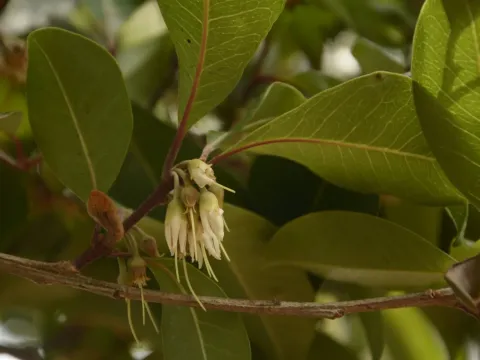
Xantolis
Xantolis
Xantolis is a genus of evergreen trees and shrubs belonging to the Sapotaceae family. Originating from the tropical regions of Southeast Asia, including India and China, these plants thrive in high-temperature environments with distinct humidity profiles.
What the section contains

Xantolis
For successful cultivation, Xantolis requires a stable tropical climate. It is extremely sensitive to frost and sudden temperature drops, which makes it suitable primarily for cultivation in subtropical or tropical zones where the weather remains warm throughout the year.
The ideal soil for Xantolis is fertile, well-drained loam. Drainage is a critical factor for this species; waterlogging the roots can lead to rapid decay and the death of the plant. Soils should be kept moist but never saturated to ensure healthy root development.
Botanically, Xantolis species are known for their dense, leathery foliage and clusters of fragrant flowers. The fruit is typically a fleshy berry. The plant's structure is adapted to maintain hydration in warm climates, featuring a thick cuticle on the leaves.
Economically, Xantolis is valued for its fruits, which contribute to local diets, and its dense, durable wood used in construction and craft. Additionally, some species within the genus are cultivated for ornamental purposes in tropical gardens and parks.
The main pests affecting Xantolis include various scale insects and mealybugs. These pests infest the undersides of leaves and young stems, extracting sap and weakening the plant's structural integrity over time.
Fungal pathogens such as anthracnose and leaf spot are common threats in high-humidity environments. These diseases can cause significant leaf loss and reduce the overall yield of the tree if not addressed through proper management techniques.
Management strategies focus heavily on cultural practices, specifically regular pruning. Maintaining an open canopy structure improves air circulation and sunlight penetration, which are essential for keeping foliage dry and discouraging fungal growth.
Chemical control, including the use of systemic insecticides and fungicides, is implemented when infestation levels exceed economic thresholds. However, integrated pest management (IPM) is encouraged to maintain the ecological balance within the orchard.
Plant health is closely tied to soil nutrition and water management. Consistent monitoring for early signs of distress, such as leaf discoloration or abnormal growth, is essential for professional agronomic maintenance and preventing the spread of diseases.