
Miracle berry
Synsepalum dulcificum
Description
Sowing dates
Propagation of the miracle berry is primarily achieved through seeds, as cuttings have a very low success rate. Seeds must be sown immediately after removal from the fruit, as they lose viability rapidly when dried.
For sowing, use a light, well-draining substrate with a high proportion of acidic peat or decomposed coniferous mulch. The optimal sowing depth is 1–1.5 centimeters, and containers should be covered with plastic to maintain humidity.
Germination is a slow process and can take from 3 to 8 weeks, provided that the soil temperature is maintained at +25...+28 degrees Celsius. It is crucial to avoid waterlogging the substrate to prevent decay of the seed coat.
Once the first true leaves appear, seedlings should be carefully pricked out into individual pots with acidic soil. The plant grows extremely slowly in its first years, requiring patience from the grower.
In commercial settings, cultivation is practiced in controlled greenhouse environments, where stable light and high humidity are maintained to ensure the healthy development of young plants.
Growing requirements
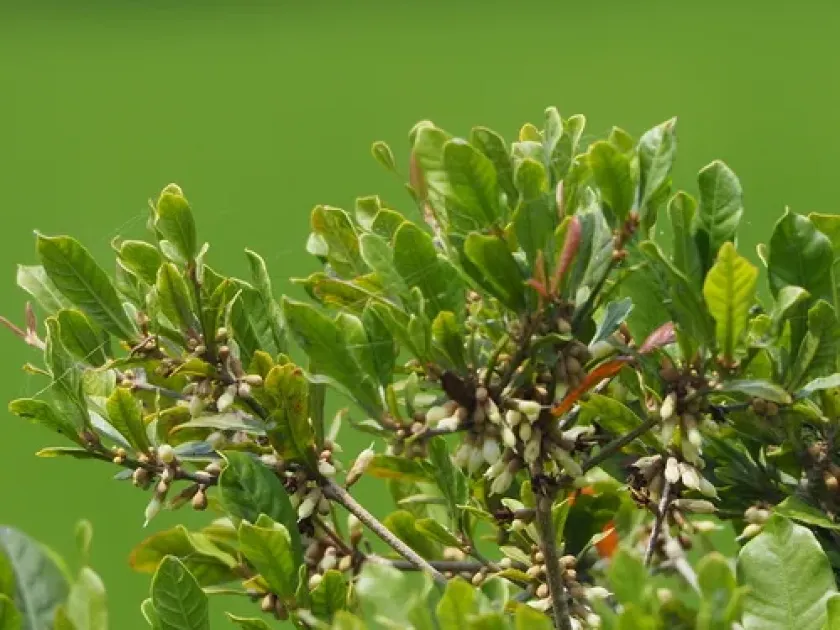
The miracle berry belongs to the Sapotaceae family and is an evergreen shrub or small tree native to the tropical forests of West Africa. In its natural habitat, the plant prefers areas with dappled light and high rainfall.
A key requirement for the soil is high acidity, with a pH level between 4.5 and 5.5. Alkaline soils cause leaf chlorosis due to the plant's inability to absorb necessary micronutrients, which inevitably leads to the plant's decline.
The plant is highly sensitive to temperature and cannot tolerate frost. The optimal temperature for growth is +22...+30 degrees Celsius; when temperatures drop below +15 degrees, metabolic processes slow down significantly.
Miracle berry requires high ambient humidity (over 70%), making it challenging for indoor cultivation. Regular misting or the use of humidifiers is essential for maintaining health.
Watering must be regular, but without standing water in the root zone. Using hard tap water is unacceptable as it alkalizes the soil; therefore, it is recommended to use only soft or rainwater.
Yield
The first harvest from seed-grown plants typically occurs late, usually in the 5th to 8th year of life. In greenhouse conditions with supplemental lighting, this period can be shortened slightly.
The fruits are bright red, ellipsoidal berries 2–3 centimeters long. They contain a unique glycoprotein, miraculin, which temporarily blocks sour taste receptors on the tongue, replacing them with a sweet sensation.
Yields from a single adult bush are moderate under optimal conditions. The fruits do not ripen simultaneously, which necessitates selective harvesting as the berries reach a deep red color.
The primary economic use of the culture is in the production of supplements that help diabetics and people on specific diets consume acidic foods without adding sugar. The fruits are valued as a unique biochemical resource.
Due to the rapid loss of properties after harvesting, the fruits cannot be stored or transported for long in a fresh state; therefore, they are often flash-frozen or freeze-dried to preserve the functionality of miraculin.
Main diseases and pests
The most common pests for the miracle berry are spider mites and mealybugs. They multiply actively when humidity levels are disrupted and ventilation is insufficient.
When the soil is overwatered, the plant is often affected by root rot, which is extremely difficult to treat. It is essential to ensure a high-quality drainage layer in the planting container.
The plant's leaves are sensitive to sunburn when exposed to direct rays during the heat of the day. Damaged areas become entry points for secondary fungal infections.
In indoor conditions, whitefly attacks are possible. For prevention, it is necessary to regularly inspect the undersides of leaves and perform gentle cleaning of the crown surface.
- Regular treatment with biological insecticides and acaricides
- Maintenance of a stable acidic soil balance
- Quarantine measures for new plants added to the collection
Harvesting
Harvesting is performed exclusively by hand, as the skin of the berries is very thin and easily damaged. Berries are considered ready for picking when they turn bright red and become soft to the touch.
The fruits are highly perishable: at room temperature, they lose their taste-altering properties within 24–48 hours after removal from the branch. They should be used immediately.
To preserve miraculin, berries are flash-frozen immediately after harvest. This method allows the raw material to be transported for processing into extracts and food additives.
Selective breeding is focused on developing varieties with a longer shelf life, but currently, most cultivars require delicate handling during the harvest process.
It is important to ensure that no damage occurs to the fruits during harvest, as any micro-cracks promote the rapid development of molds that destroy the active components of the berries.