
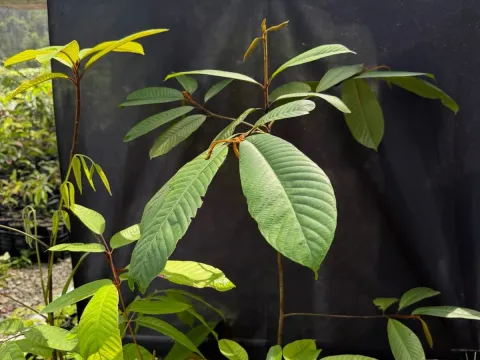
Palaquium hispidum
Palaquium hispidum
Palaquium hispidum belongs to the Sapotaceae family, a group of trees well-known for their latex-producing capabilities. This species is native to the lush tropical environments of Southeast Asia.
What the section contains
Palaquium hispidum
The tree thrives in regions characterized by high annual rainfall and consistent, warm temperatures throughout the year. It does not tolerate prolonged dry periods or significant temperature drops.
Cultivation requires deep, well-drained soils rich in organic matter. Proper soil aeration is essential, as the roots are sensitive to waterlogging, which often occurs in poorly managed plantation sites.
In its natural forest habitat, the species typically occupies middle to upper layers. Providing partial shade during the juvenile stage helps seedlings establish themselves effectively before exposure to full sunlight.
General management involves monitoring soil nutrient levels and ensuring that the microclimate remains humid, which promotes healthy leaf development and efficient latex flow.
The primary agricultural interest in Palaquium hispidum lies in the harvest of its sap, which yields gutta-percha. This natural thermoplastic has historically been vital for industrial and medical applications.
Latex harvesting is performed by tapping the bark of mature trees. Sustainable harvesting practices are crucial to prevent tree mortality and maintain the long-term viability of the stand.
The timber obtained from this tree is characterized by its durability and density. It is often utilized in local construction projects and for creating specialized wood-based products that require rot resistance.
The fruit of the tree is edible and contributes to the local dietary diversity in its native range. Beyond human consumption, the tree provides habitat and resources for various tropical wildlife species.
Seed propagation is the standard method for establishing new plantations. Seeds must be processed and planted shortly after maturation due to their short lifespan and moisture requirements for germination.