
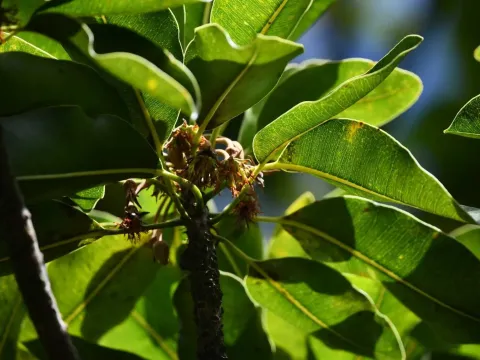
Mimusops maxima
Mimusops maxima
Mimusops maxima is a significant evergreen tree species belonging to the Sapotaceae family. Originating from tropical environments, it thrives in regions characterized by high annual rainfall and consistent temperatures, making it a specialized crop for specific climatic zones.
What the section contains
Mimusops maxima
Regarding soil requirements, the species performs best in deep, well-draining soils with high organic matter content. It is sensitive to waterlogging, necessitating careful site selection or the implementation of raised planting beds to ensure the root system remains healthy.
The climatic conditions should ideally stay within a frost-free range, as Mimusops maxima possesses low tolerance for cold stress. Ample sunlight is required for optimal photosynthesis and crown development, although young trees benefit from light shade to prevent desiccation.
Agronomic management involves regular monitoring of soil moisture levels, especially during the dry season. Fertilizer application should be tailored to support both vegetative expansion and the long-term structural integrity of the timber.
In terms of economic utility, Mimusops maxima is primarily valued for its durable and high-density wood. Beyond timber production, it serves an ecological function by participating in forest restoration projects and helping to stabilize soil in vulnerable tropical terrains.
Primary threats to Mimusops maxima include fungal infections of the root system, often exacerbated by poor drainage and excessive humidity. Proactive disease management is essential for successful growth in nursery and field environments.
Pests, such as scale insects and aphids, pose a risk to the foliage and tender stems of young trees. Regular scouting and the application of integrated pest management practices are recommended to mitigate potential damage to the saplings.
Competing vegetation can drastically reduce growth rates in the first few years of the tree's life. Effective weed control using mulching or mechanical methods is a standard agronomic practice to reduce nutrient competition.
Stem and bark damage can provide entry points for secondary wood-decay fungi, which can reduce the quality of the timber over time. Proper pruning techniques and protective measures against mechanical injury are vital for maintaining tree health.
Long-term health depends on consistent canopy assessment and the maintenance of a balanced nutrient profile. Sustainable farming practices focus on preventing environmental stress, which remains the best defense against major pathogens.