
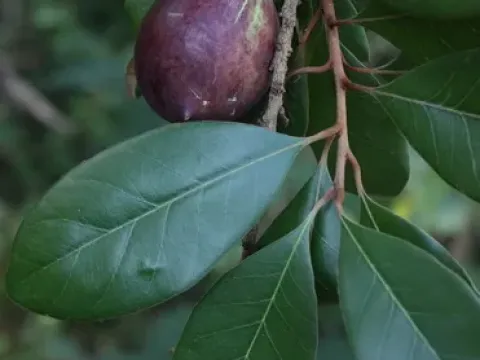
Niemeyera
Niemeyera
The genus Niemeyera belongs to the Sapotaceae family, comprising evergreen trees native to specific subtropical and tropical regions. Propagation is typically achieved through seeds, which must be sown fresh as they possess a short lifespan.
What the section contains


Niemeyera
Sowing should take place in a well-draining, nutrient-rich potting medium to ensure optimal aeration. Maintaining a consistent temperature between 24–28 degrees Celsius is essential for successful germination.
Seedlings require protection from direct sunlight during their initial growth stages to prevent desiccation and heat stress. High ambient humidity is beneficial during the early weeks of plant development.
Transplanting into the garden should be done with care, ensuring the root ball remains intact. The plant develops a robust root system, so choosing a permanent location is crucial to avoid future stress.
Nursery management involves growing the plants in containers until they reach a sufficient size to withstand outdoor conditions, with regular watering and monitoring of substrate pH.
Niemeyera trees demand specific environmental conditions, thriving best in frost-free climates with stable temperatures. They prefer deep, fertile, and slightly acidic to neutral soils.
Proper drainage is the most critical factor for success, as waterlogging is a primary cause of root rot in this species. The soil should remain consistently moist but never waterlogged.
The trees perform best in partially shaded locations during their juvenile years, gradually acclimating to more light as they mature and develop a denser canopy.
Regular maintenance includes mulching around the base of the trunk, which helps retain soil moisture and suppresses weed competition near the sensitive surface roots.
Fertilization should be handled with caution, favoring organic amendments to provide a slow-release nutrient source that sustains the tree without causing vigorous, soft growth.
The fruit of the Niemeyera is a fleshy berry, highly regarded in its native regions for its nutritional benefits and flavor profile. Fruiting usually commences after several years of growth.
Pollination is a key factor in yield production, necessitating an active ecosystem of native pollinators to ensure successful fertilization of the tree's flowers.
Harvesting timing is determined by the color change of the fruit skin, which signifies maturity. Careful handling is required to avoid bruising the delicate flesh.
Yield consistency can be improved by maintaining proper tree health through pruning and adequate nutrient management throughout the active growing season.
Post-harvest storage should be cool and dry to maintain fruit quality, as the berries have a relatively limited shelf life once picked from the tree.
The primary threats to Niemeyera include fungal pathogens that affect the root system, often triggered by excessive moisture or poor soil structure.
Insect pests, particularly scale insects and mealybugs, are frequently observed on the foliage. These pests suck sap from the plant, leading to stunted growth and reduced yields.
Preventive measures include maintaining good airflow within the canopy through targeted pruning, which reduces the humidity levels that favor fungal development.
Integrated pest management strategies are recommended, focusing on the use of horticultural oils or soaps to control pest populations while protecting natural predators.
Routine scouting for signs of discoloration on leaves or stunted shoot development allows for early intervention, preventing localized infestations from becoming widespread.