
Mimusops zeyheri
Mimusops zeyheri
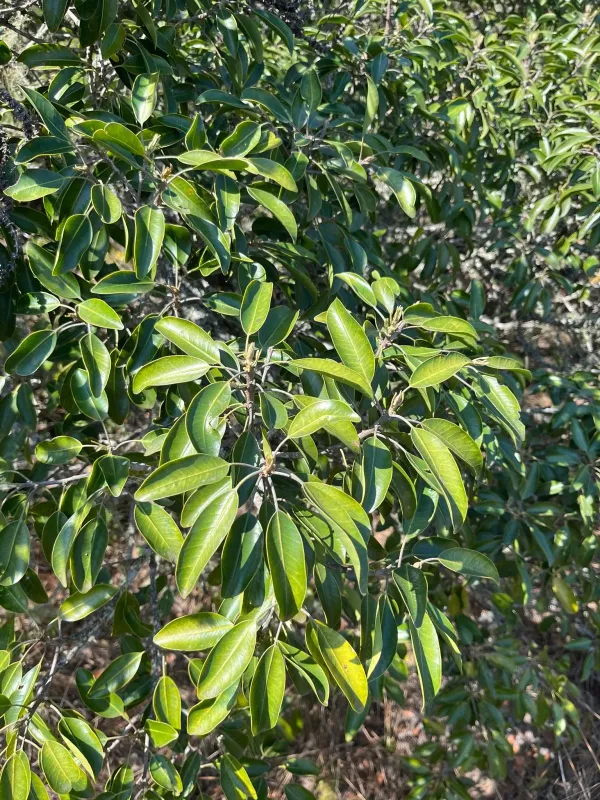
Description
Sowing dates
Mimusops zeyheri, commonly known as the Red Milkwood, is a species belonging to the Sapotaceae family. It is a long-lived, evergreen tree that is primarily propagated by seeds.
Sowing should be done in well-draining, nutrient-rich soil. Fresh seeds are recommended, as they lose viability relatively quickly if left to dry out completely.
The optimal germination temperature range is between 20°C and 25°C. Seedlings should be kept in a partially shaded environment until they have developed several true leaves.
Young plants are sensitive to root disturbance. When moving them to larger containers or a permanent location, care must be taken to keep the root ball intact.
Growth is generally slow in the early years. Regular watering during the first season is essential to establish a strong root system before the tree can handle dry conditions.
Growing requirements
The tree thrives in full sun but can tolerate light shade. It is well-adapted to various soil types, provided they are deep and have good internal drainage.
Mimusops zeyheri is highly drought-tolerant once mature. It is a robust species that naturally grows in savannahs, rocky outcrops, and woodlands across Southern Africa.
It prefers warm, frost-free climates. While it can withstand mild, brief cold snaps, prolonged exposure to freezing temperatures will severely damage or kill the tree.
Maintenance involves providing adequate space, as the tree can grow into a large, dense specimen. Pruning is only necessary to remove dead wood or to shape the canopy for easier harvesting.
Mulching the root area helps maintain soil moisture and mimics the natural forest floor environment, which promotes healthier growth and better nutrient uptake.
Yield
The tree produces edible fruit, which are small, round, or oval drupes that turn a bright orange-yellow when fully ripe. The pulp is sweet, floury, and highly nutritious.
Fruit production usually begins when the tree is between 6 and 10 years old. An established, healthy tree can produce a substantial amount of fruit every season.
The fruits are eaten raw or processed into jams, jellies, and fermented beverages. They are a staple source of energy for both local communities and diverse wildlife.
Beyond its fruit, the tree is valued for its hard, durable wood, which is used for crafting furniture, building agricultural structures, and carving traditional tools.
The economic potential of the fruit is currently focused on local and artisanal markets due to the highly perishable nature of the ripe produce.
Main diseases and pests
Mimusops zeyheri is generally resistant to major agricultural pests. However, scale insects and mealybugs can occasionally infest the foliage, causing stunted growth.
Fungal root diseases are the most significant risk, usually triggered by waterlogged soil conditions. Ensuring proper drainage is the most effective preventative measure.
Various bird species and mammals are significant competitors for the fruit harvest, often consuming the crop before it reaches full maturity.
Boring insects can sometimes damage the bark or fruit. Regular monitoring of the tree canopy can help identify and address these issues before they become widespread.
The lack of susceptibility to devastating pathogens makes this tree a sustainable choice for agroforestry systems that require minimal chemical intervention.
Harvesting
Harvesting is typically performed by hand. Ripeness is indicated by the color changing to a deep orange-yellow and the fruit yielding slightly to gentle pressure.
Since the fruits on a single tree do not ripen simultaneously, multiple harvesting passes are required over the course of the ripening season.
Harvested fruits are highly perishable and should be handled with care to prevent bruising. They are best consumed or processed within 24 to 48 hours of picking.
Commercial harvesting is difficult due to the height of the trees, so farmers often use poles or nets to catch fruit that is shaken from the branches.
Post-harvest storage should involve cool, dry conditions to delay spoilage, although the short shelf life remains a challenge for wider distribution.