
Vepris trichocarpa
Vepris trichocarpa
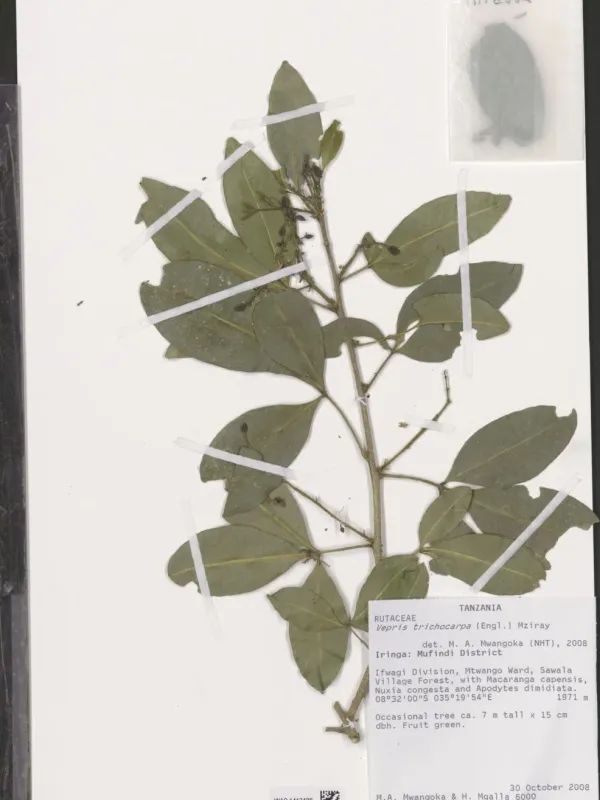
Description
Growing requirements
Vepris trichocarpa is a botanical species belonging to the Rutaceae family, native to the tropical forests of East Africa. It is characterized by woody growth habits and serves as a valuable resource for bioactive compounds found in its foliage and bark.
Cultivation of this species requires well-drained, nutrient-rich soil with a neutral to slightly acidic pH level. The plant is highly susceptible to waterlogging, necessitating the use of raised beds or specialized soil mixtures to ensure adequate oxygen exchange for the roots.
The optimal climate for this crop involves stable, warm temperatures ranging between 22°C and 28°C. It thrives in humid tropical environments but requires protection from direct, desiccating winds that can cause leaf transpiration stress.
Agronomic practices focus on balanced irrigation and regular fertilization with trace elements to support vegetative growth. Pruning is essential to maintain structural integrity and improve light penetration to the inner canopy, which is vital for plant health.
Economic utilization of Vepris trichocarpa is primarily linked to the pharmaceutical sector, where its phytochemical properties are extracted for research and development. Continued focus on sustainable cultivation techniques is key to maximizing yield for industrial needs.
Main diseases and pests
Spider mites and scale insects represent the most common pests that affect Vepris trichocarpa. These organisms colonize the leaves and branches, drawing nutrients from the plant and potentially weakening its defense mechanisms against secondary infections.
Fungal diseases, particularly root rots caused by excessive soil moisture, pose a significant risk to crop longevity. Pathogens thrive when drainage is insufficient, often leading to the sudden collapse of mature specimens if not managed correctly.
Integrated pest management strategies should be employed, utilizing biological controls rather than harsh synthetic chemicals. This ensures that the medicinal value of the plant materials remains uncompromised by residual substances.
Maintenance of canopy ventilation is a primary preventive measure against fungal outbreaks. Ensuring that moisture levels do not remain stagnant on leaf surfaces significantly reduces the probability of mold development during high-humidity cycles.
Field scouting for early detection of discoloration or stunted growth is crucial for managing health in commercial operations. Prompt action, including isolation of infected individuals and sanitation, prevents the spread of pathogens across the plantation.