
Vepris natalensis
Vepris natalensis
Description
Growing requirements
Vepris natalensis is a distinct evergreen tree species belonging to the Rutaceae family. It is known for its dense foliage and adaptability to specific subtropical ecosystems, often growing in forest margins and thickets within its native South African range.
The plant originates from regions characterized by a mild, consistent climate. It requires a balanced environment to thrive, typically favoring fertile, well-draining soils that prevent waterlogging, which is a critical factor for the health of its root system.
Regarding climate requirements, Vepris natalensis performs best in areas with moderate sunlight and protection from severe frost. While it is quite hardy in its native habitat, agricultural cultivation requires sites with stable temperatures and good air circulation to promote optimal growth.
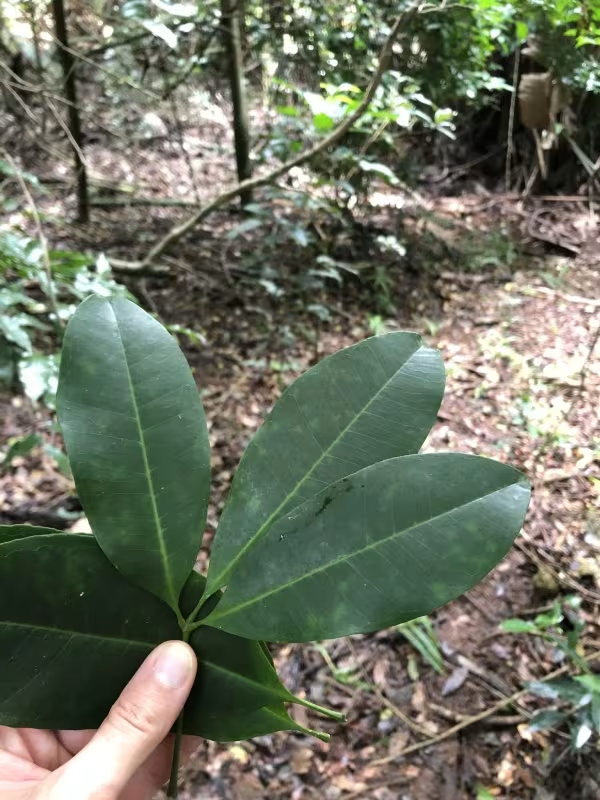
The botanical features of this species include trifoliate, glossy leaves and a robust woody structure. These traits make it a versatile plant that serves both ecological functions, such as soil stabilization, and economic purposes, including high-quality timber production.
Effective agricultural management involves maintaining soil nutrient levels through organic amendments and ensuring adequate spacing between plants to maximize exposure to sunlight. Its cultivation potential continues to attract interest in specialized agroforestry systems.
Main diseases and pests
The crop is susceptible to common pests such as aphids and scale insects that feed on the sap of young shoots. Left uncontrolled, these infestations can lead to stunted growth and reduced photosynthetic capacity in affected specimens.
Fungal pathogens causing leaf spots or root rot can affect the plant, especially in high-humidity environments with poor drainage. Proper canopy management and sanitation are essential to mitigate the risk of these diseases spreading throughout the plantation.
Integrated pest management strategies are recommended, focusing on early detection and the use of targeted biological controls. Maintaining a healthy soil microbiome can also provide a natural buffer against soil-borne pathogens and root-related issues.
Environmental stress, such as extreme drought followed by heavy rainfall, can weaken the plant's natural defenses, making it more prone to secondary infections. Regular monitoring is necessary to adjust irrigation schedules and ensure the trees remain vigorous.
Mechanical damage to the bark or stems should be addressed promptly to prevent entry points for wood-boring insects or fungal spores. A proactive approach to tree health, including routine pruning, significantly reduces long-term maintenance challenges.