
Vepris lanceolata
Vepris lanceolata
Description
Growing requirements
Vepris lanceolata, commonly known as white ironwood, is a distinct evergreen tree species belonging to the Rutaceae family. It is native to the coastal and evergreen forests of South Africa, where it plays an essential role in local ecosystems.
The tree thrives in well-drained soil rich in organic matter and is known for its ability to adapt to varying levels of sun exposure. It is particularly valued for its robust growth habit and resilience against typical environmental stressors in its native range.
Regarding climate, the species prefers temperate to subtropical conditions. While it can withstand periods of minor drought once established, young plants require consistent moisture and protection from severe frost to thrive in managed plantations.
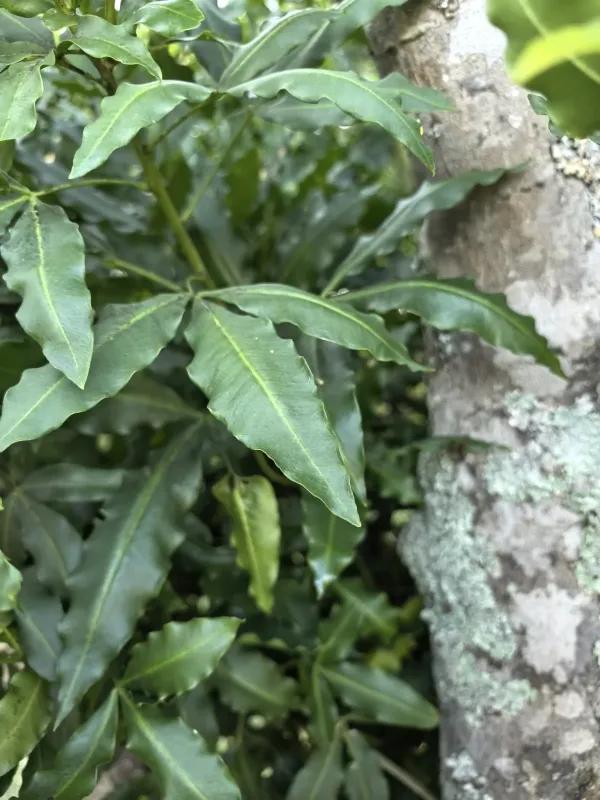
Botanically, the plant features trifoliate, glossy leaves that contain aromatic glands, a common trait among Rutaceae. The tree produces small, inconspicuous flowers that attract various pollinators, followed by small fruits that provide sustenance for local fauna.
The primary economic value of Vepris lanceolata lies in its dense, durable wood, which has historically been prized for tool handles and fine woodworking. Additionally, the plant holds significance in traditional medicine practices in its native region.
Main diseases and pests
Key threats to the species include soil pathogens that cause root decay if the drainage is poor. Additionally, foliage can be susceptible to fungal infections during periods of high humidity and limited airflow in nursery environments.